
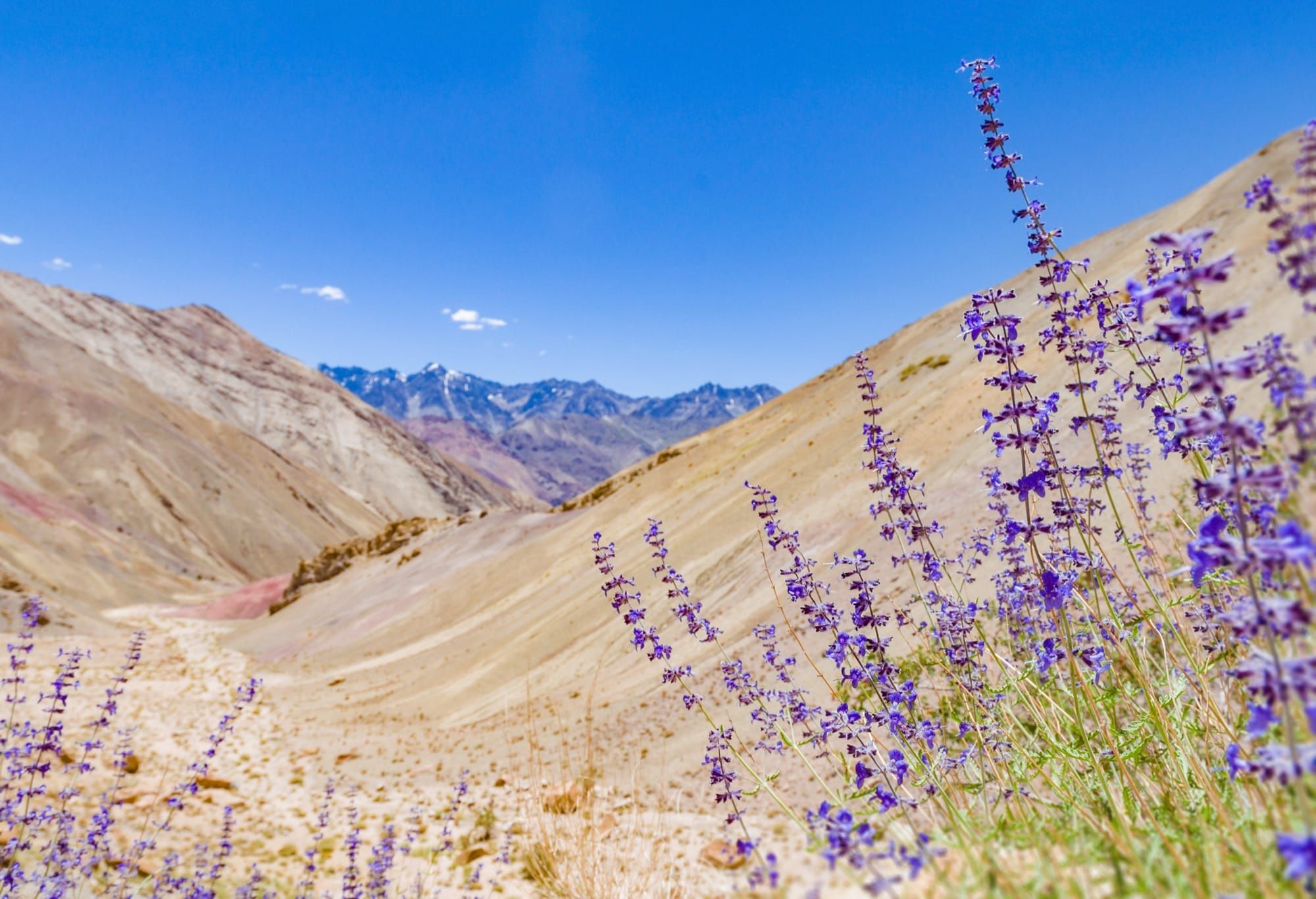
Salt Lake City has one of the best reasons in America to xeriscape: the Great Salt Lake itself. Every gallon sprayed on a Wasatch Front lawn is a gallon that never reaches a shrinking lake whose dust, ecology, and even ski-season snow depend on inflows. Utah has responded by building the most organized lawn-replacement movement in the country — and if you live along the Wasatch Front, it's built for you.
Salt Lake growing conditions
- Hardiness zone: 6a to 7a — the valley floor now maps to 7a, with benches and canyon mouths running colder (zone primer here).
- Semi-arid, snow-fed climate — roughly 15–16 inches of precipitation, most of it falling as winter snow when your landscape can't drink it. Summers are hot and dry.
- Alkaline soils are the norm; most Intermountain natives prefer them. Skip the peat moss and acid-loving plants.
- Wind and winter sun on exposed benches favor tough, sclerophyllous natives over broadleaf ornamentals.
Flip Your Strip and Utah Water Savers
Utah's signature program is Flip Your Strip — a rebate for converting the park strip (the turf between sidewalk and curb) to waterwise landscaping. Park strips are the worst place in the yard for grass and the easiest first project, which is exactly why the state leads with them (our hell strip guide covers the design side).
- Apply through Utah Water Savers (utahwatersavers.com), the statewide portal that also handles full lawn-replacement incentives in participating areas.
- Payments are per square foot converted; rates vary by water district and funding year, so confirm current amounts before you plan.
- Pre-approval before removal is required — photograph the living lawn and wait for the green light.
- Conversions must follow Localscapes standards (Utah's homegrown design method): drip-irrigated planting beds, mulch, and no artificial-turf-only swaps.
Rules and rates shift with funding, so treat the portal as the source of truth — and see our lawn removal rebates overview for how these programs work nationally.
The Wasatch Front plant palette
Shrubs: rabbitbrush, Apache plume, fernbush, curl-leaf mountain mahogany (evergreen, sculptural), Utah serviceberry, and big sagebrush itself.
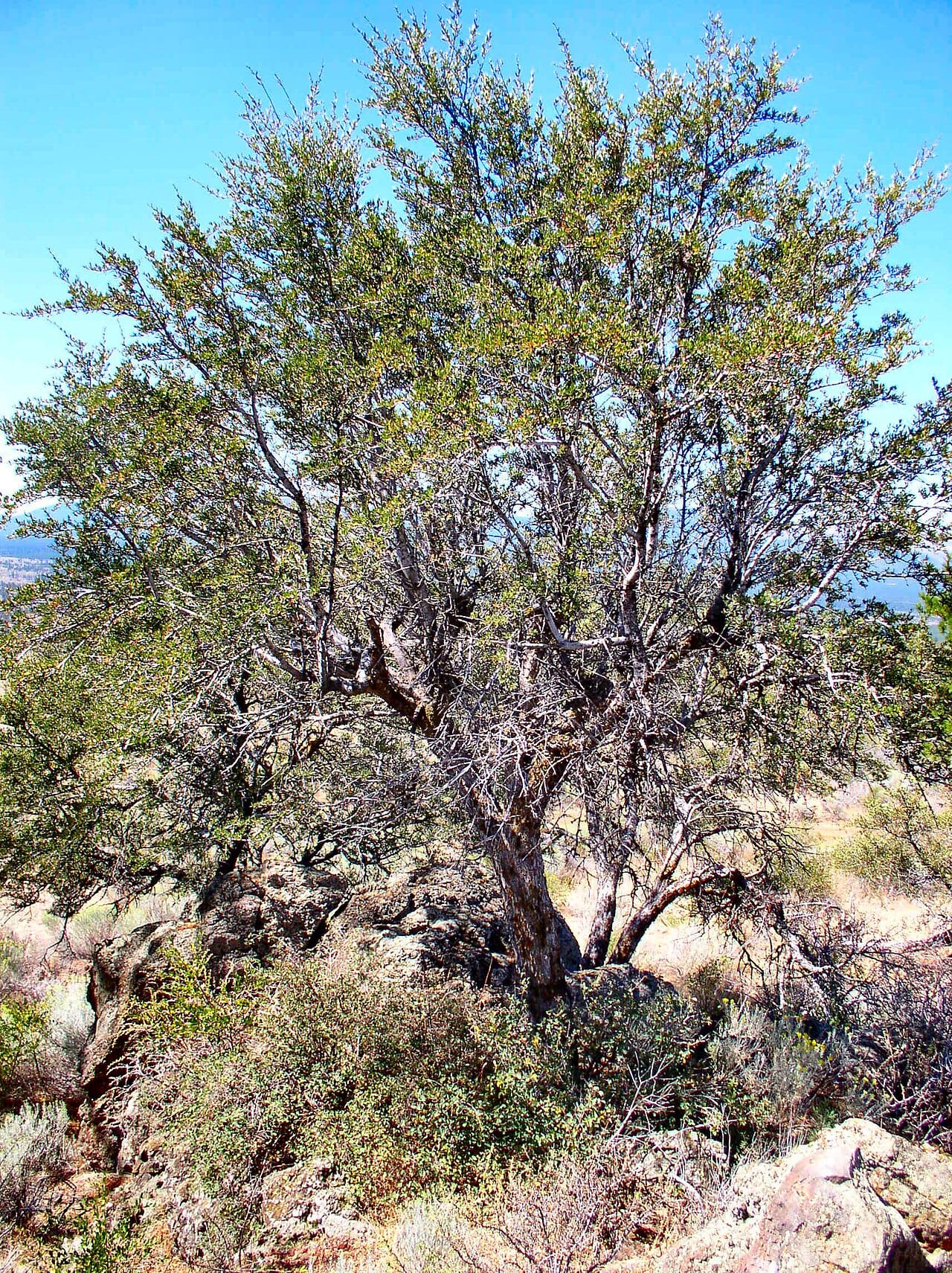
Perennials: firecracker penstemon, Wasatch penstemon, yarrow, blue flax, sulphur buckwheat, hummingbird mint (agastache), and Russian sage for that purple July haze.
Grasses: blue grama and little bluestem for beds; a buffalograss or blue grama lawn where you want walkable green at a fraction of Kentucky bluegrass water.
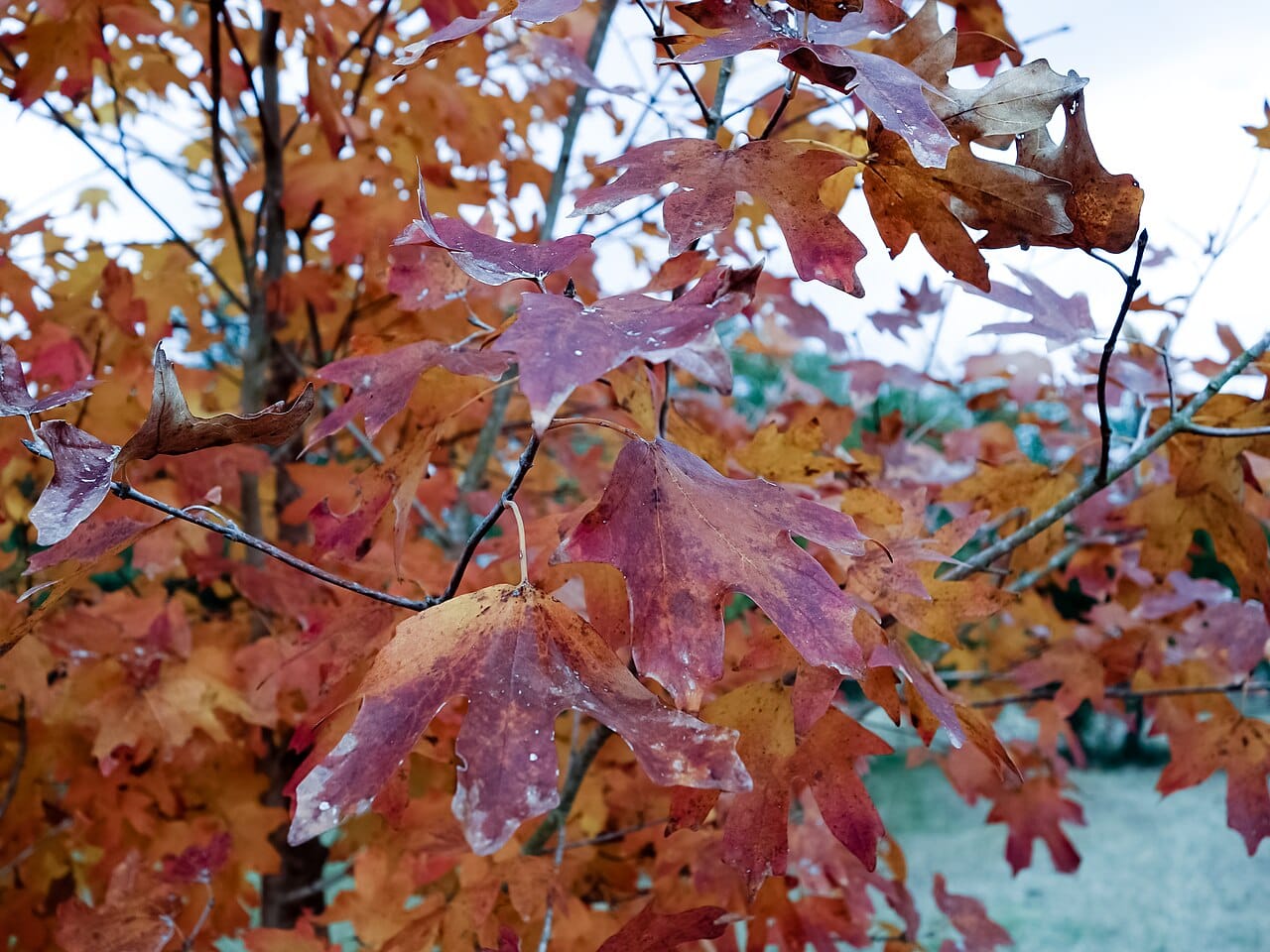
Trees: bigtooth maple (Utah's fall-color native), gambel oak, hackberry, and pinyon pine.
Design notes: the Localscapes look
- Start with a central open shape — Localscapes' signature move. A defined patch of lawn, patio, or gravel gives the yard order, then waterwise beds wrap around it.
- Park strip first. It's subsidized, small, and visible — the perfect proof of concept before you commit the back yard.
- Design for four seasons. Evergreen mountain mahogany, red-twig structure, grass seed heads, and berry-laden serviceberry carry the yard through Wasatch winters.
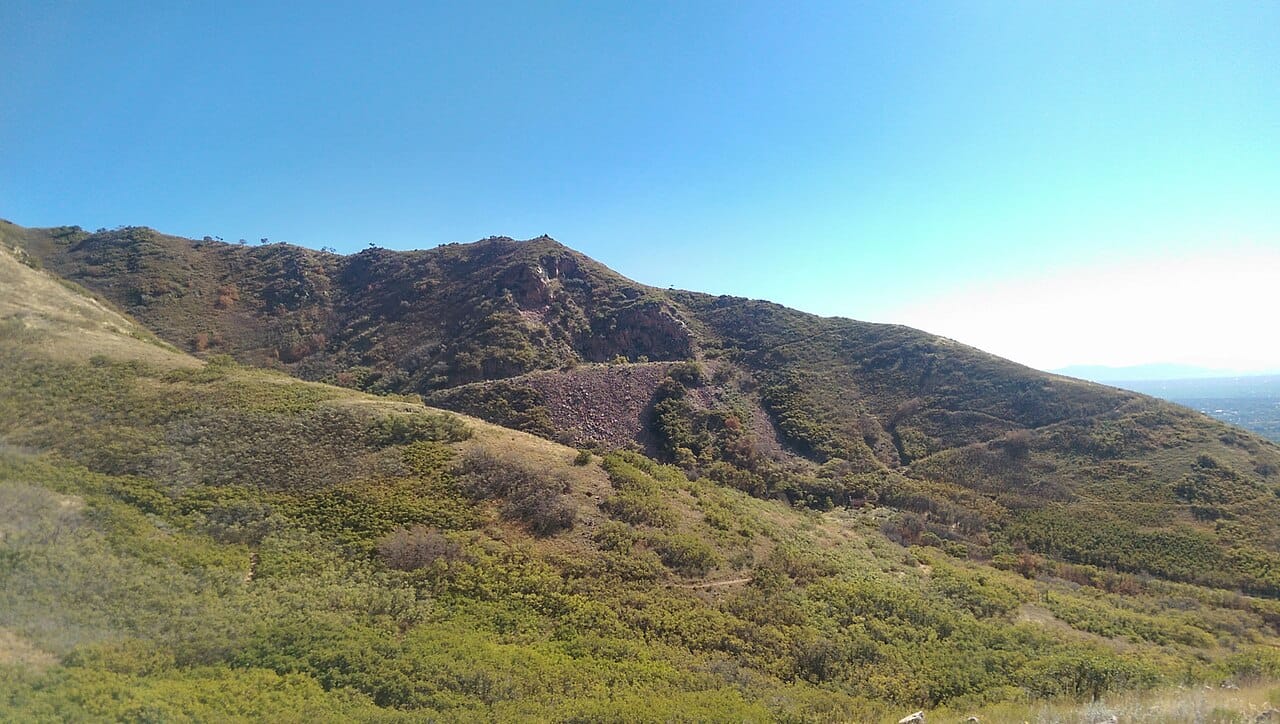
- Lean into the mountains. Boulders, gravel mulch, and drifts of penstemon read native against the Wasatch backdrop in a way sheared shrubs never will.
Getting started
- Create a Utah Water Savers account and check what your city and district currently fund.
- Get pre-approved — photos of living turf are required.
- Follow the 10 Steps to Xeriscaping: remove turf, install drip, plant in fall or spring, mulch deep.
- Water to establish the first season, then let the natives do what they evolved to do.
Every square foot of bluegrass you flip is water that stays in the system — and a yard that finally looks like it belongs between the Wasatch and the Great Salt Lake.