
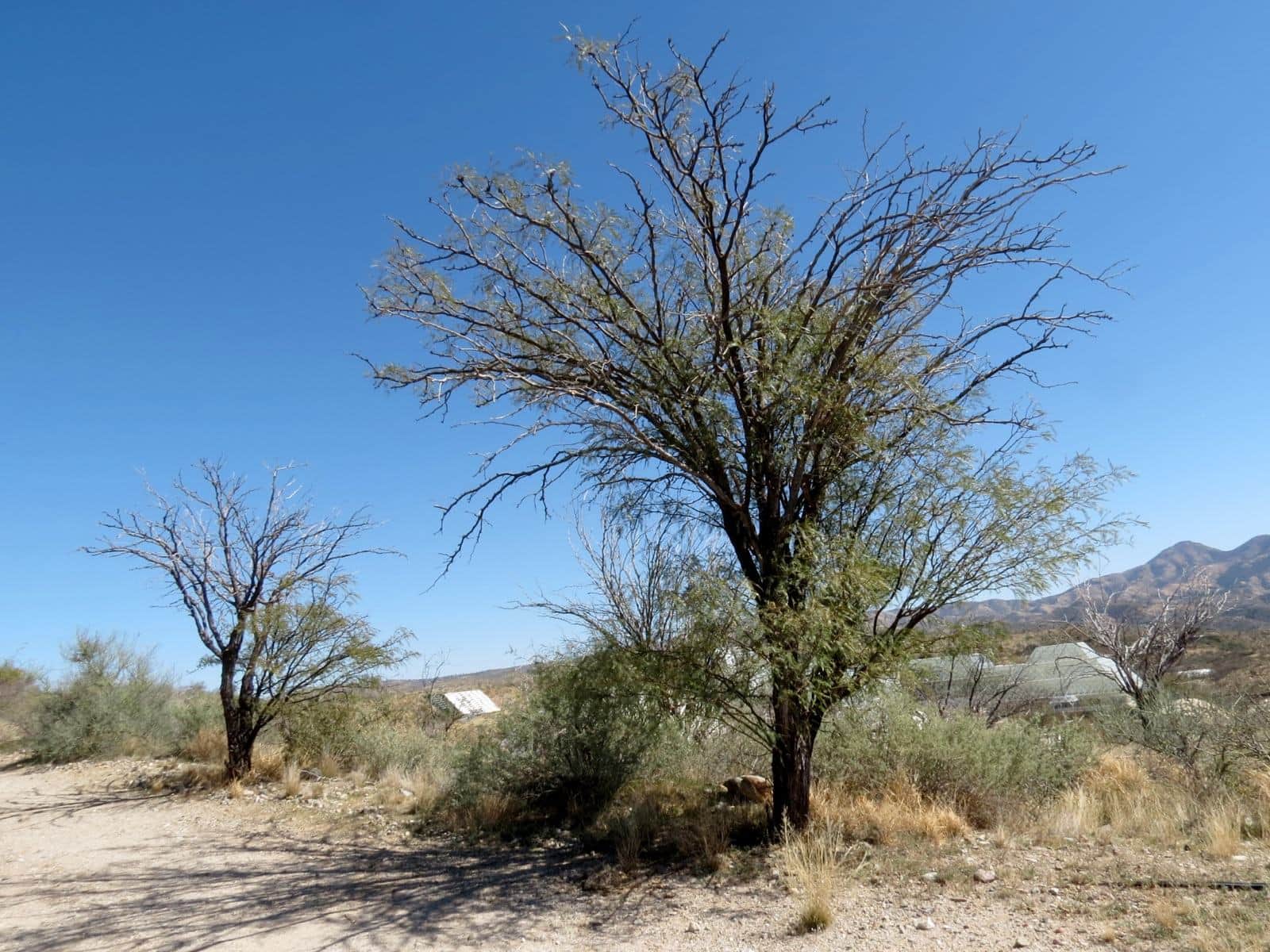
Tree
Honey Mesquite
Prosopis glandulosa
A graceful, airy desert tree with fragrant spring catkins and filtered shade.
- Pollinator
- Native
Quick facts
- Hardiness
- USDA zones 6–9
- Water
- Very low once established
- Sun
- Full sun
- Size
- 20–30 ft tall × 20–30 ft wide
- Bloom & interest
- Fragrant cream-yellow catkins in spring; fine, feathery foliage; long bean pods
- Plant type
- Tree
- Native range
- Native from Texas and Oklahoma west to southern California
Why we recommend it
A native shade tree for the hottest, driest yards that feeds bees, fixes nitrogen and survives on rainfall once its deep roots are established.
Best regions: TexasSouthwestSouthern California
How to grow it
Watering to establish
Deep-water every 1–2 weeks the first summer, then taper; established trees need little.
Pruning
Train to a single or multi-trunk form in late winter; remove thorny low shoots. Avoid overwatering, which causes top-heavy, wind-prone growth.
Soil
Any well-drained soil, including alkaline. Has thorns; keep it off walkways.
Pairs well with
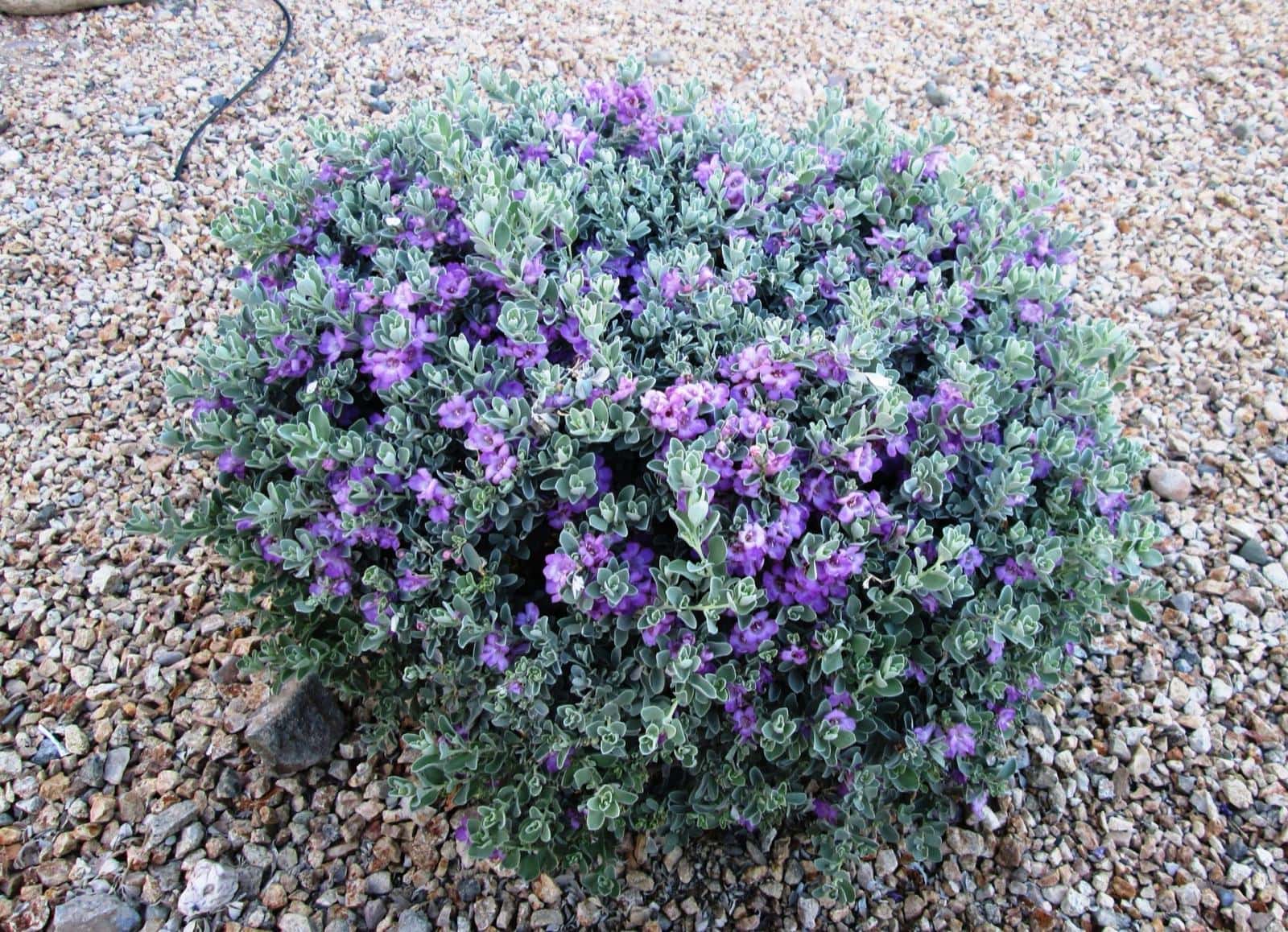
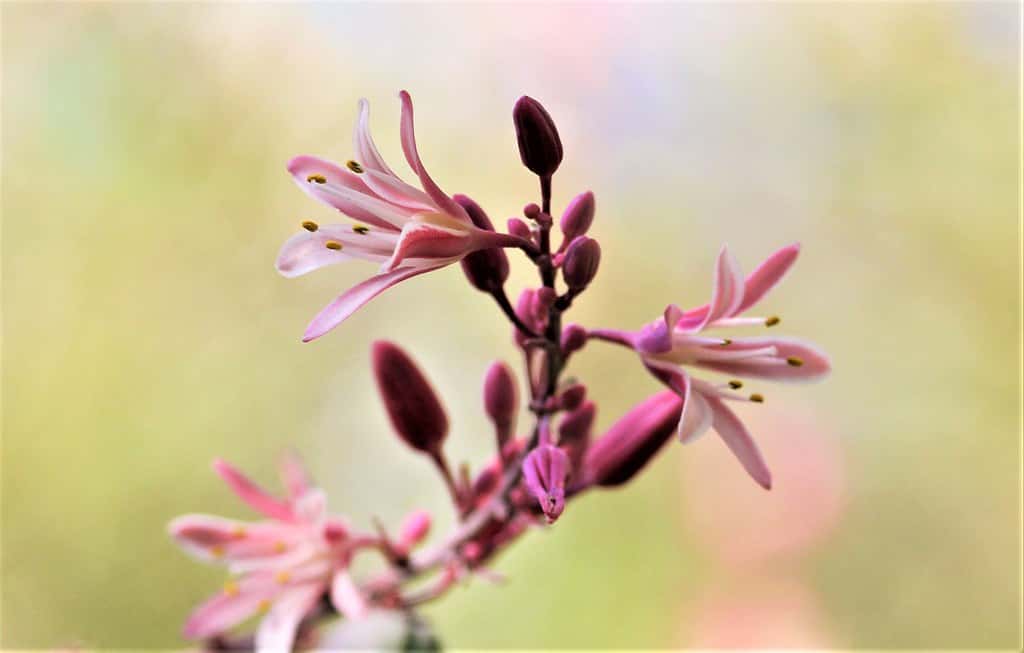
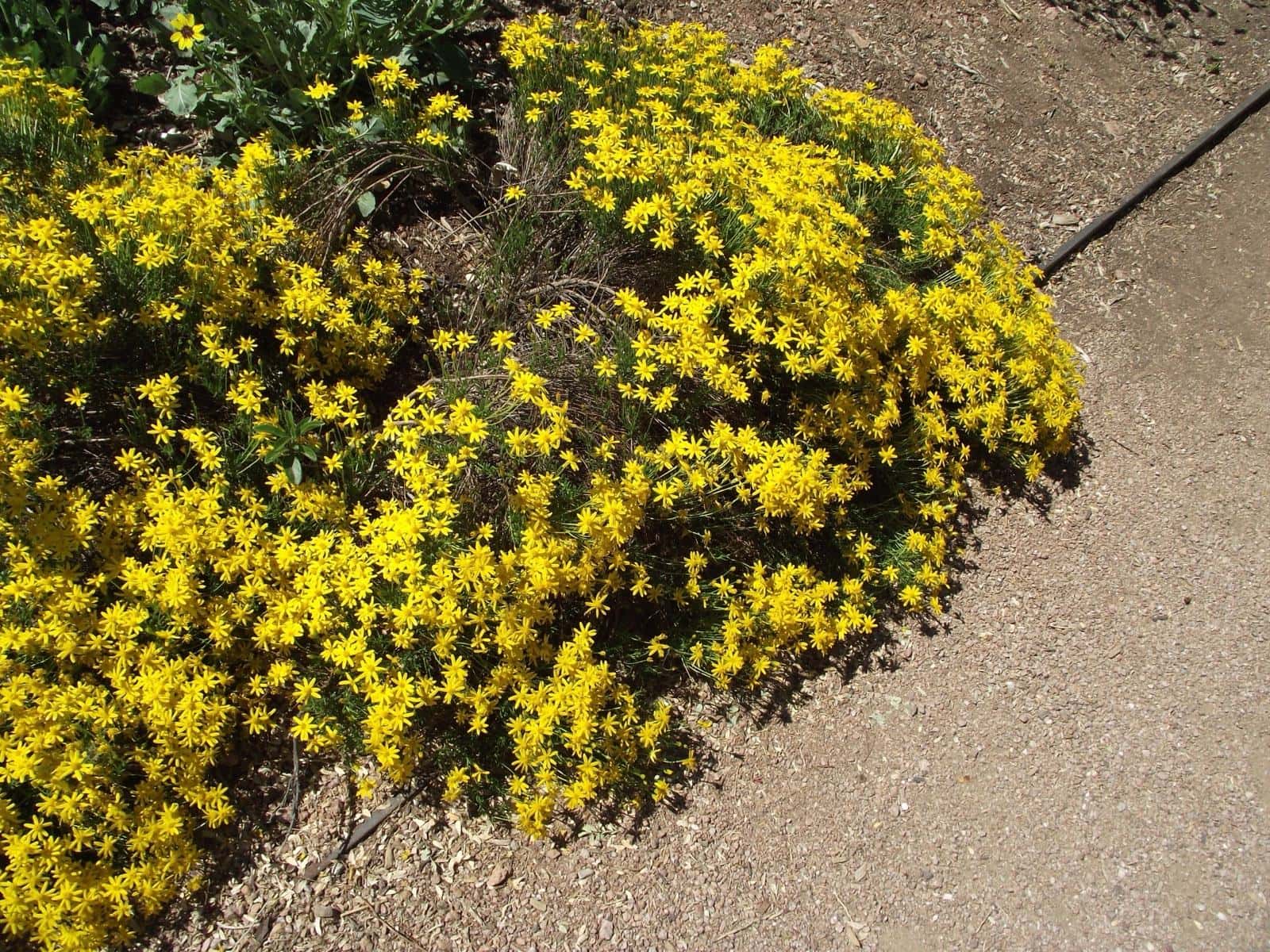

Read more
Where to buy
Shop Honey Mesquite from trusted growers. For the best selection of xeric plants, try a mail-order specialist or ask a local independent nursery.
- High Country Gardens (opens in a new tab)Xeric specialist
- Nature Hills Nursery (opens in a new tab)Wide selection
- American Meadows (opens in a new tab)Perennials & seeds
- Etsy (opens in a new tab)Small growers
Some links are affiliate links. If you buy through them, Xeriscaping.com may earn a commission at no cost to you. We only list plants we'd actually plant. Affiliate disclosure