
Planting zones · San Diego, California
What Planting Zone Is San Diego?
San Diego is in USDA zone 10a–11a. Mild coastal Mediterranean climate: under 10 in. of rain, 83% of it November–March, and no 32°F freeze at Lindbergh Field in the 1991–2020 normals. Zones run from 11a at the coast to 10a inland.
- USDA zone (2023)10a–11a
- Coldest night (avg.)40 to 45°FZIP 92101
- Annual precipitation9.8 inches
San Diego hardiness zone by ZIP code
On the 2023 USDA Plant Hardiness Zone Map, the ZIP codes we sampled in San Diego fall in zones 10a to 11a; 92101 (zone 11a) has an average annual extreme minimum of 40 to 45°F. Choose perennials, shrubs, and trees rated at least to zone 10.
| ZIP | Zone | Avg. coldest night |
|---|---|---|
| 92020 | 10a | 30 to 35°F |
| 92064 | 10a | 30 to 35°F |
| 92101 | 11a | 40 to 45°F |
| 92109 | 10b | 35 to 40°F |
| 92128 | 10a | 30 to 35°F |
Not listed? Look up any ZIP code.
Frost dates and when to plant
NOAA's 1991–2020 normals recorded no 32°F freeze at San Diego Lindbergh Field, so there are no meaningful frost dates; colder inland and valley neighborhoods can still see light frost.
With frost rare, you can plant most of the year; fall and winter plantings benefit from the rainy season.
Rainfall and heat in San Diego
Average annual precipitation is 9.8 inches (San Diego Lindbergh Field, 1991–2020), and 83% of it falls November–March. Summers are dry (August is the driest month), so plants lean on stored soil moisture and supplemental water through their first summer.
The average high in August is about 77°F and the average low in December is about 50°F, measured at about 20 ft.
That is why a zone rating alone isn't enough for a xeriscape here: pick plants that are both cold-hardy to zone 10 and rated very low or low water once established.
Low-water plants for San Diego
18 plants in our database are hardy to zone 10 and suited to zone 10. Here are 12, driest first, across plant types.
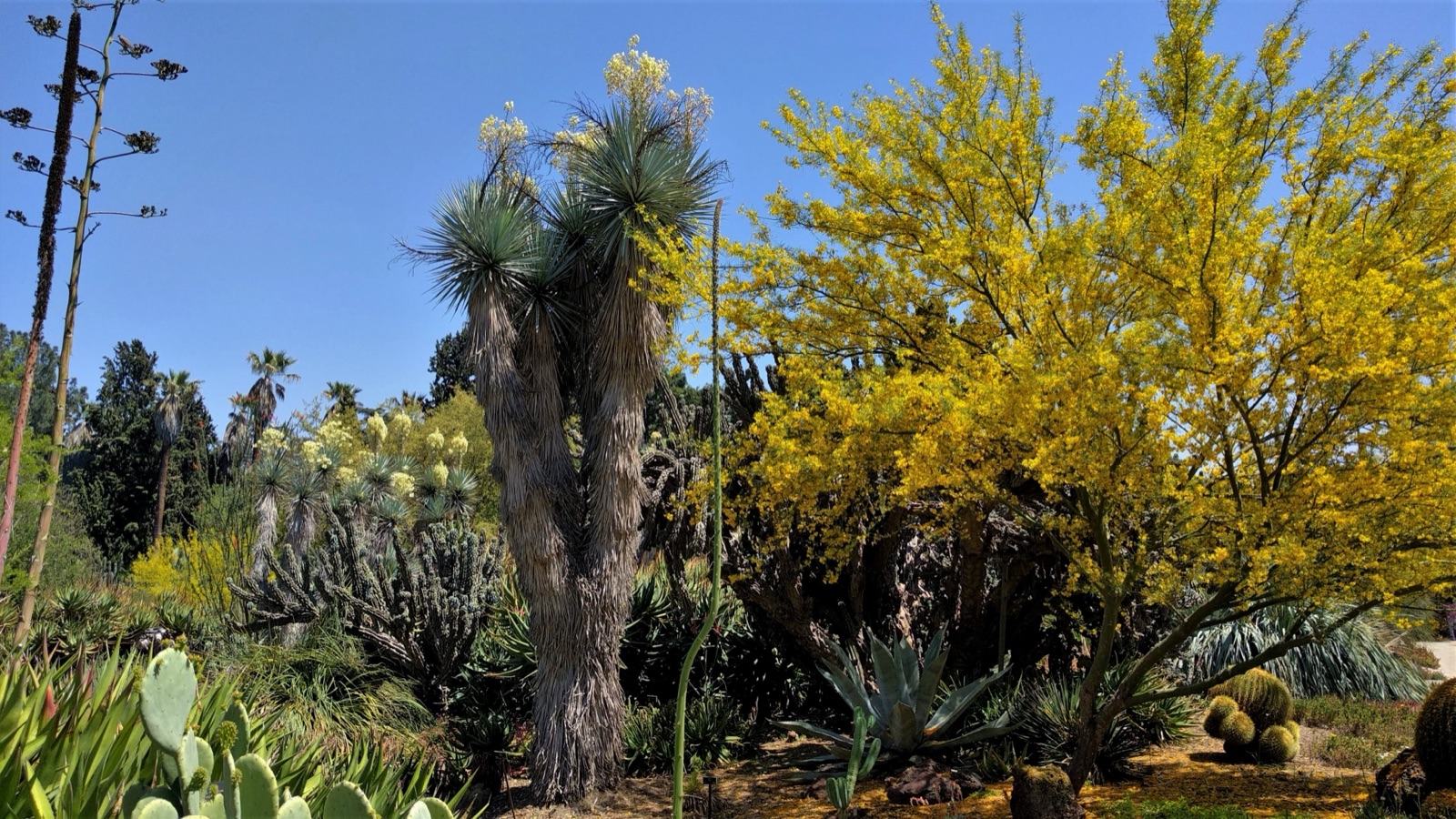 'Desert Museum' Palo VerdeParkinsonia 'Desert Museum'Zones 8–11 · Very low water
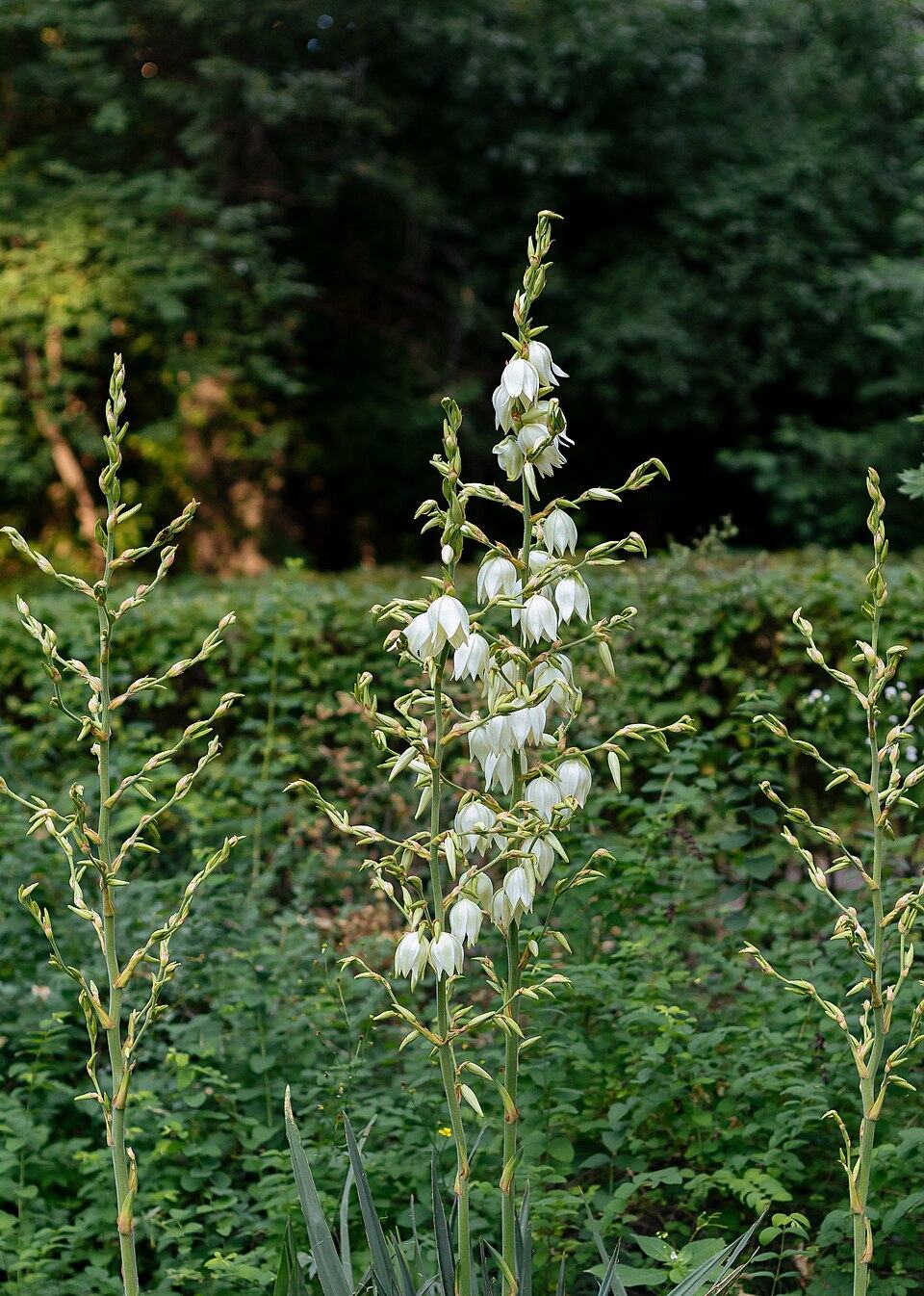 Adam's Needle YuccaYucca filamentosaZones 4–10 · Very low water
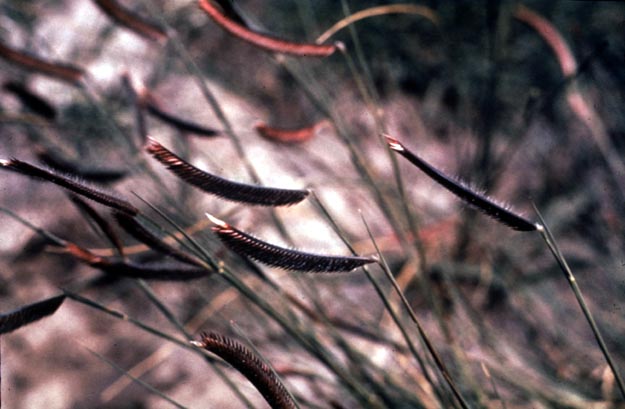 Blue GramaBouteloua gracilisZones 3–10 · Very low water
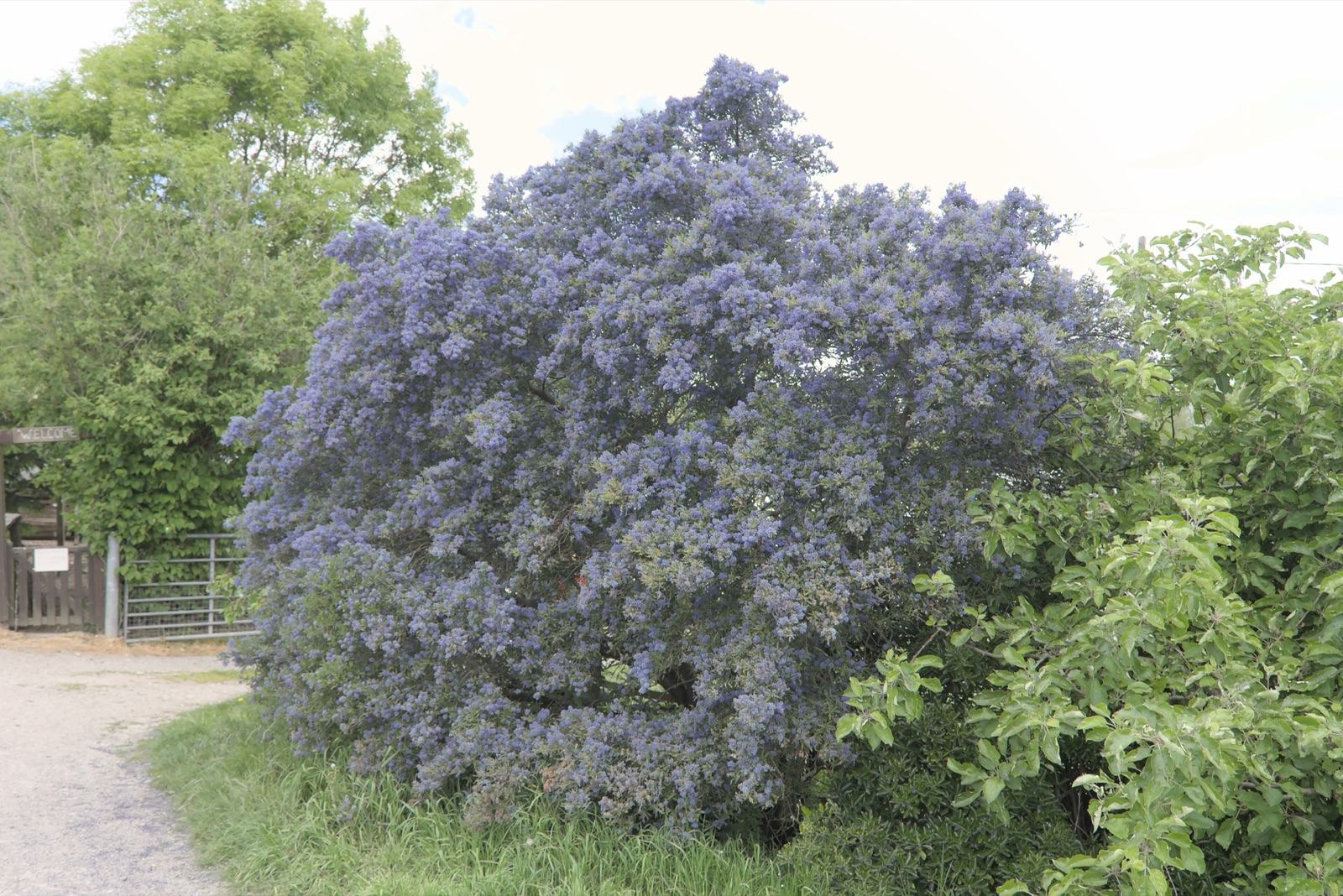 Blueblossom CeanothusCeanothus thyrsiflorusZones 8–10 · Very low water
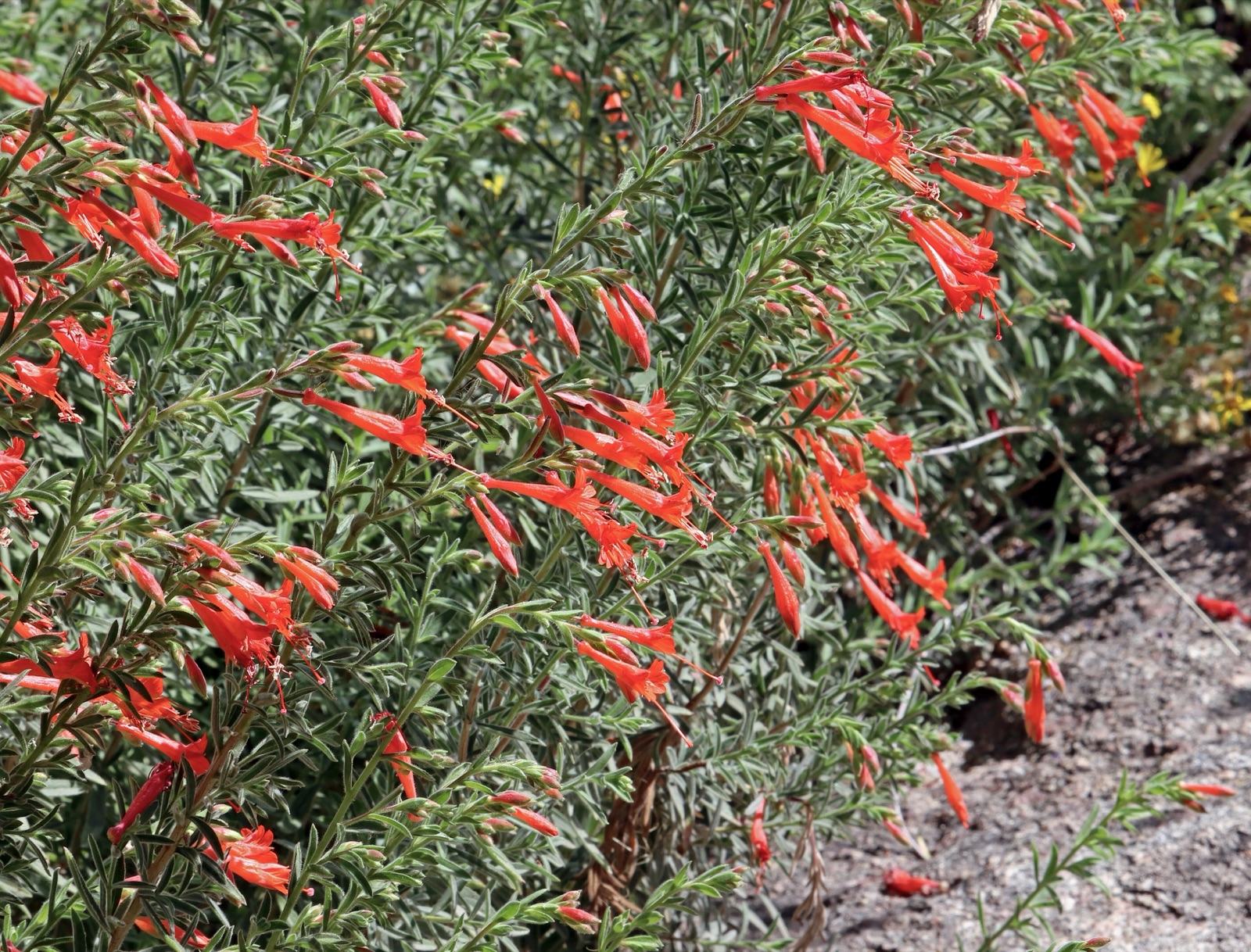 California FuchsiaEpilobium canum (syn. Zauschneria californica)Zones 8–10 · Very low water
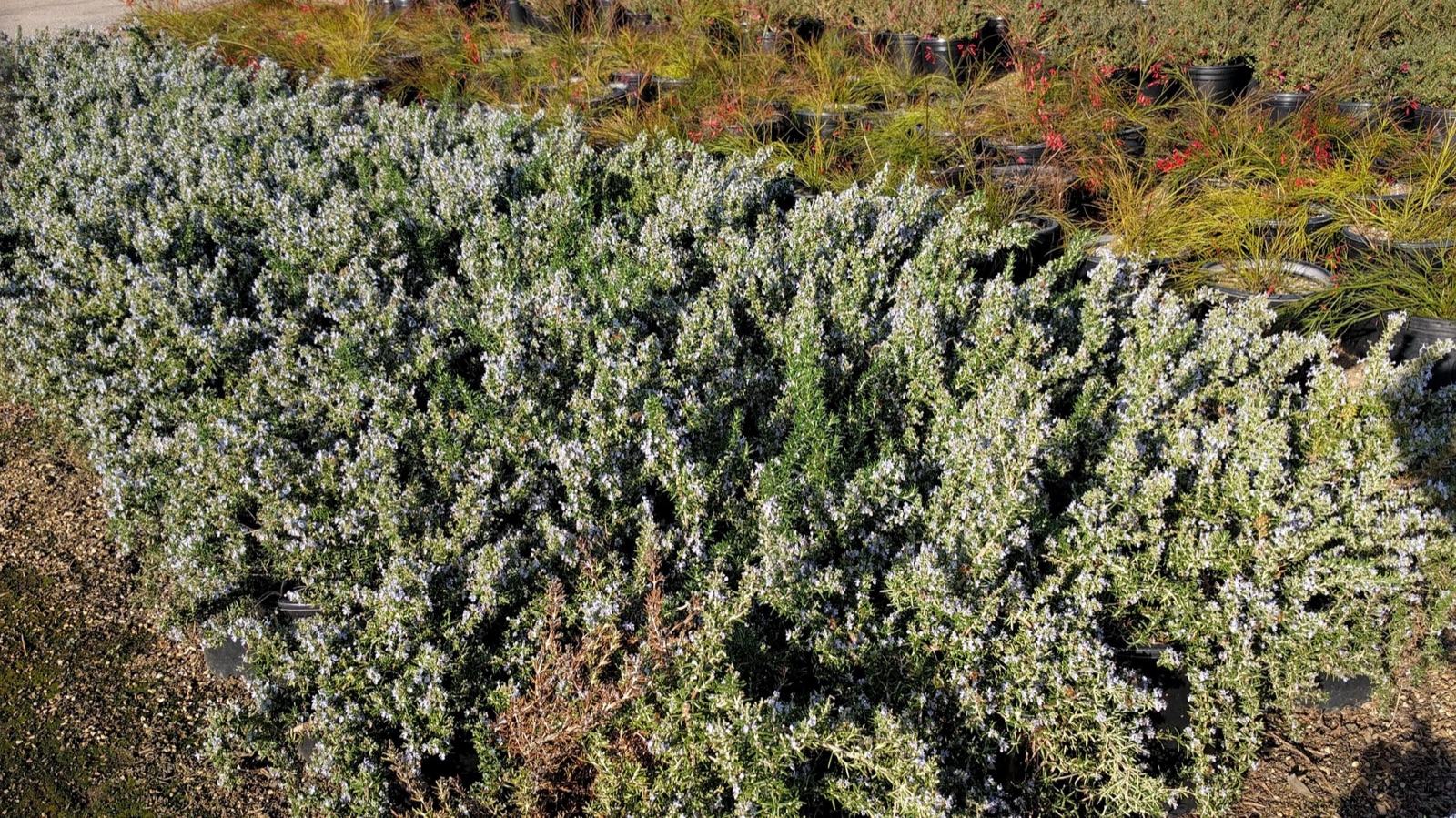 Trailing RosemarySalvia rosmarinus Prostratus GroupZones 8–10 · Low water
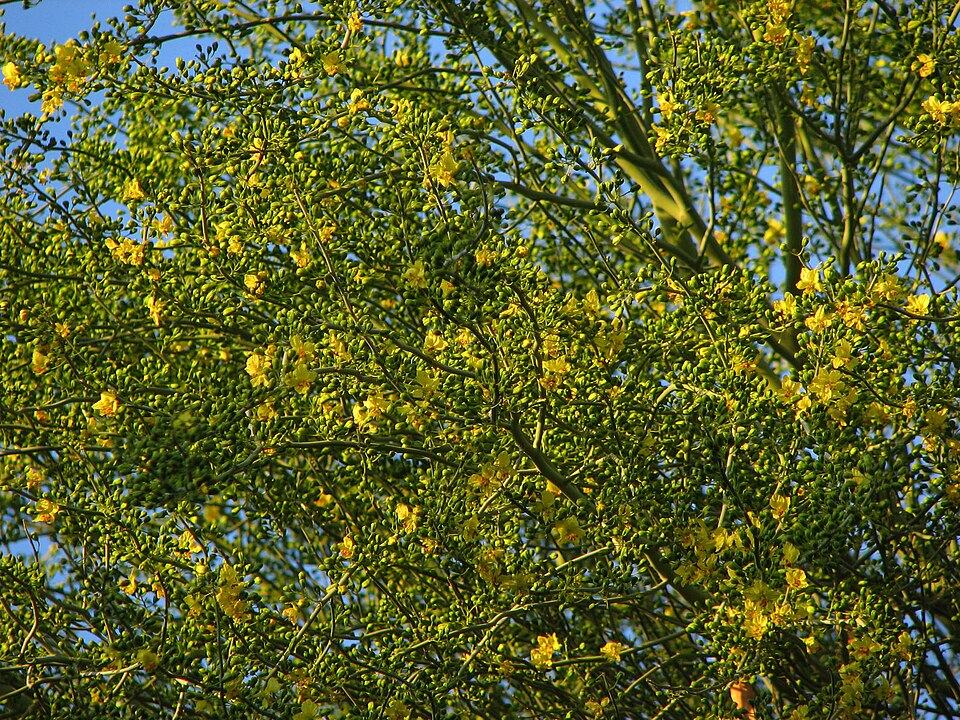 Blue Palo VerdeParkinsonia floridaZones 8–11 · Very low water
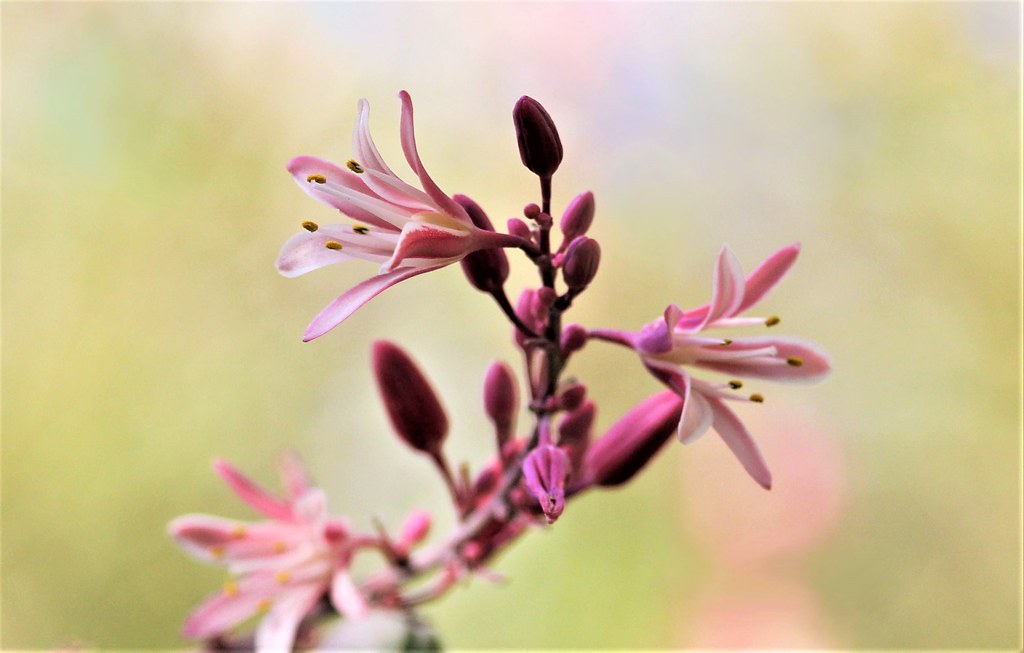 Red YuccaHesperaloe parvifloraZones 5–10 · Very low water
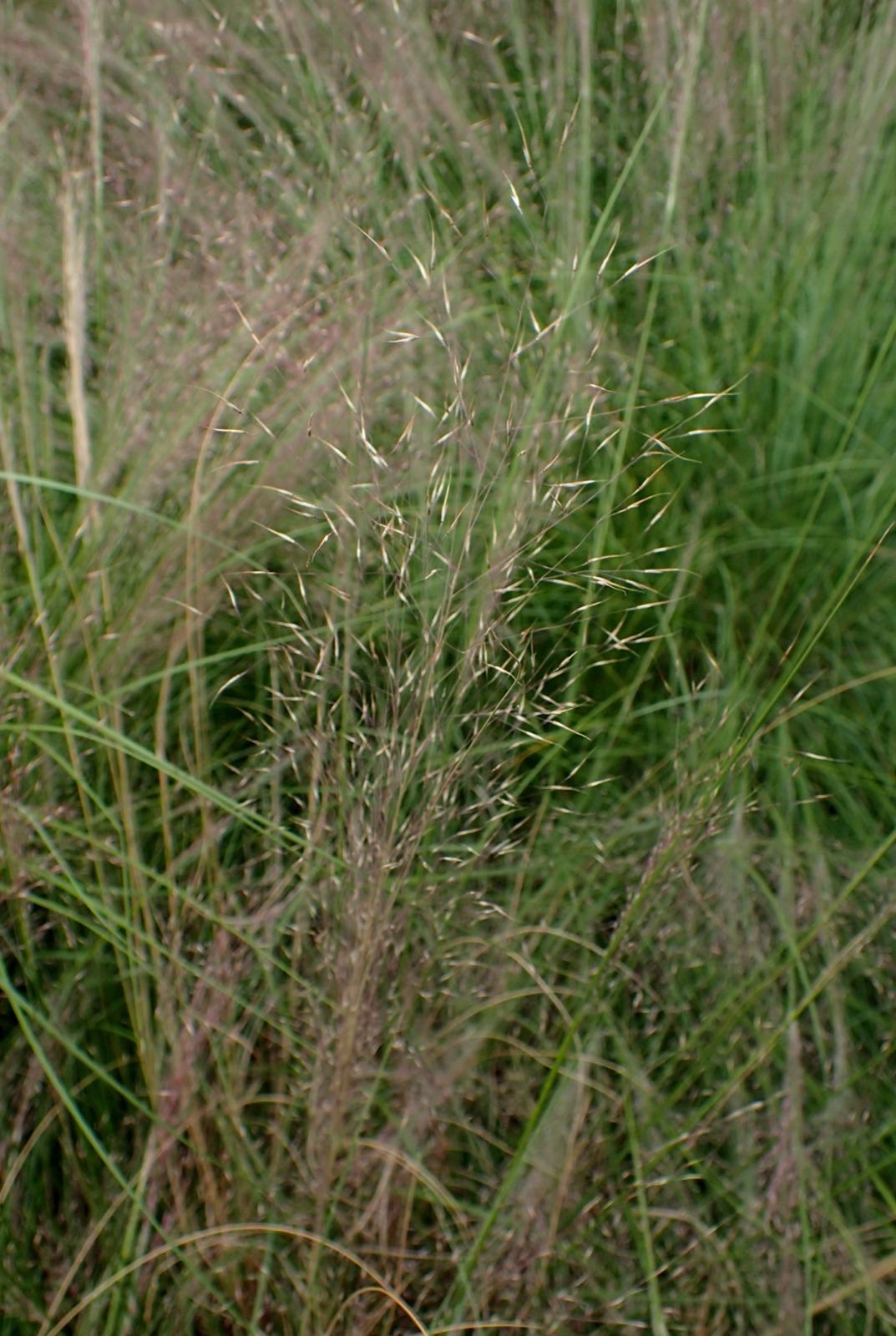 Undaunted Ruby MuhlyMuhlenbergia reverchonii 'PUND01S' (UNDAUNTED®)Zones 5–10 · Low water
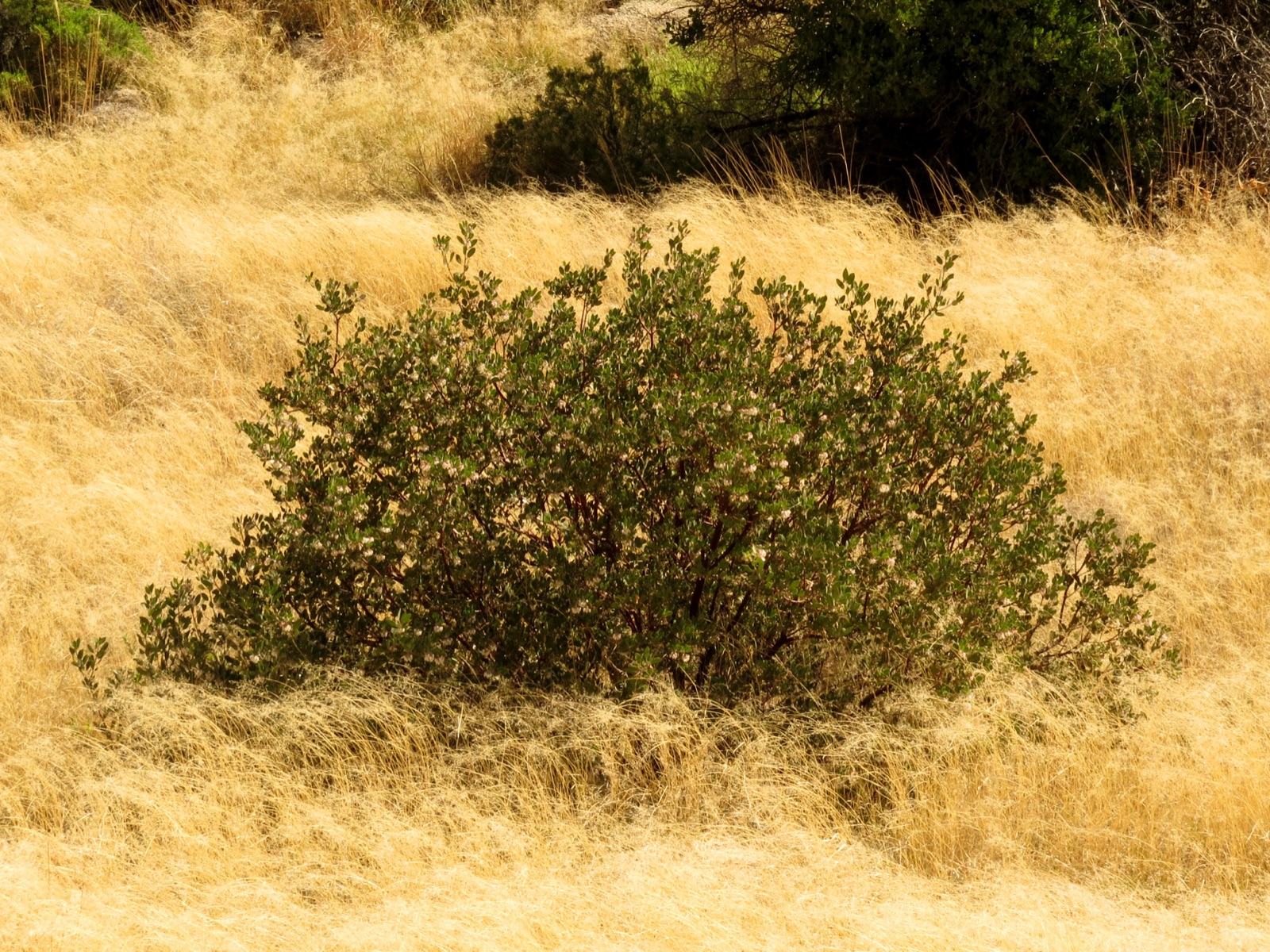 Common ManzanitaArctostaphylos manzanitaZones 8–10 · Very low water
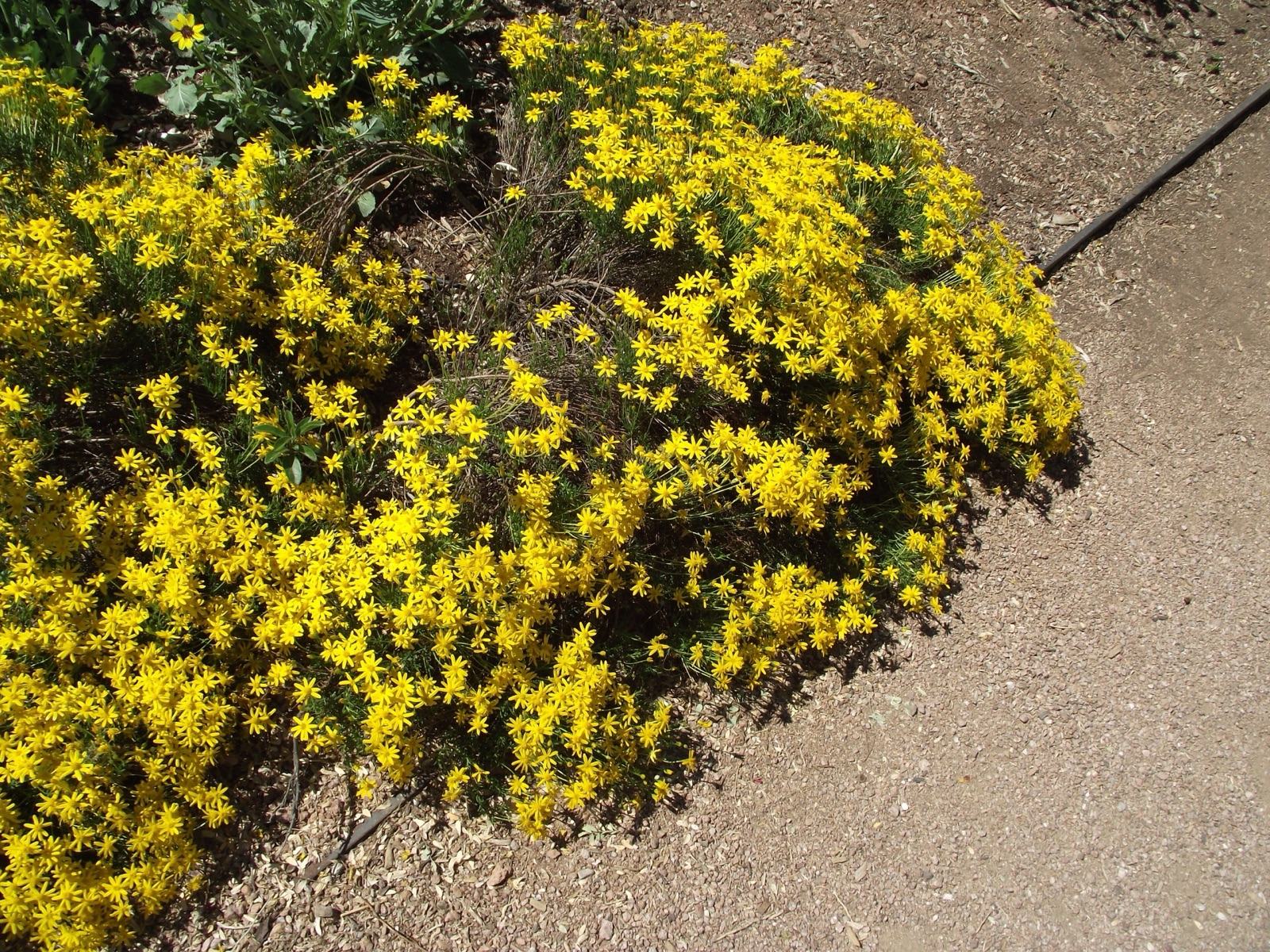 DamianitaChrysactinia mexicanaZones 7–10 · Very low water
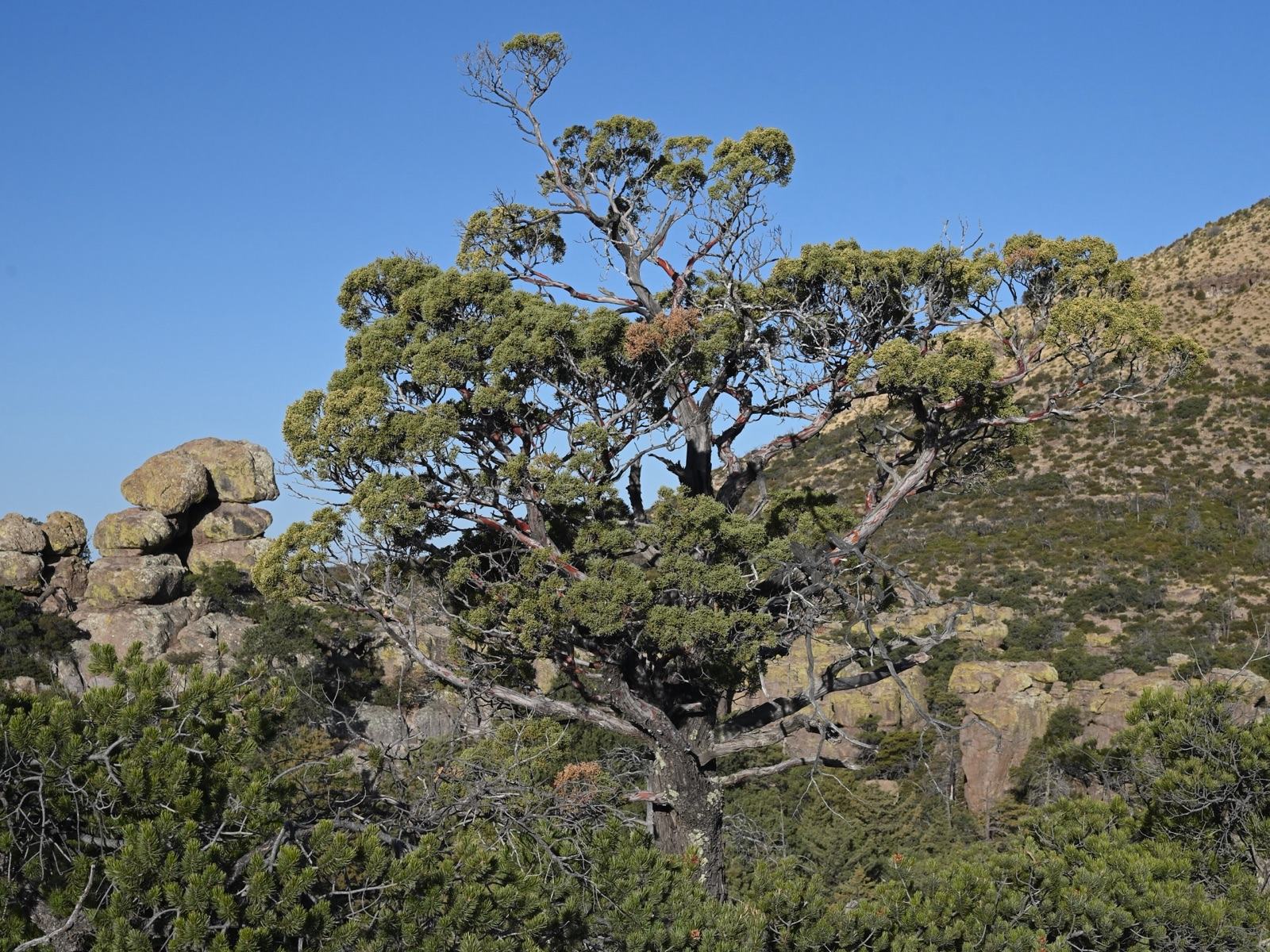 Arizona CypressHesperocyparis arizonica (syn. Cupressus arizonica)Zones 7–11 · Low water
Frequently asked questions
What planting zone is San Diego?
San Diego, CA is in USDA hardiness zone 10a–11a on the 2023 USDA Plant Hardiness Zone Map, based on the ZIP codes we sampled (92020: 10a, 92064: 10a, 92101: 11a, 92109: 10b, 92128: 10a). In 92101, the average coldest night of the year is 40 to 45°F.
When is the last frost in San Diego?
NOAA's 1991–2020 normals recorded no 32°F freeze at San Diego Lindbergh Field, so there are no meaningful frost dates; colder inland and valley neighborhoods can still see light frost.
How much rain does San Diego get?
Average annual precipitation is 9.8 inches (San Diego Lindbergh Field, 1991–2020), and 83% of it falls November–March. Summers are dry (August is the driest month), so plants lean on stored soil moisture and supplemental water through their first summer.
Sources
- NOAA NCEI U.S. Climate Normals 1991–2020, San Diego Lindbergh Field (USW00023188). ncei.noaa.gov
- USDA ARS 2023 Plant Hardiness Zone Map, by ZIP. planthardiness.ars.usda.gov