
Planting zones · Salt Lake City, Utah
What Planting Zone Is Salt Lake City?
Salt Lake City is in USDA zone 6a–7b. Great Basin climate on the Wasatch Front: nearly half of the roughly 15.5 in. of precipitation falls November–March, and July is the driest month. The valley floor maps to zone 7a–7b, while bench neighborhoods such as 84121 are colder (6a).
- USDA zone (2023)6a–7b
- Coldest night (avg.)5 to 10°FZIP 84101
- Median last frostApr 832°F
- Median first frostOct 3132°F
- Annual precipitation16 inches
- Frost-free season204 days
Salt Lake City hardiness zone by ZIP code
On the 2023 USDA Plant Hardiness Zone Map, the ZIP codes we sampled in Salt Lake City fall in zones 6a to 7b; 84101 (zone 7b) has an average annual extreme minimum of 5 to 10°F. Choose perennials, shrubs, and trees rated at least to zone 6 if you live in one of the colder ZIPs.
| ZIP | Zone | Avg. coldest night |
|---|---|---|
| 84020 | 7a | 0 to 5°F |
| 84088 | 7b | 5 to 10°F |
| 84101 | 7b | 5 to 10°F |
| 84106 | 7b | 5 to 10°F |
| 84121 | 6a | -10 to -5°F |
Not listed? Look up any ZIP code.
Frost dates and when to plant
The median last spring frost (32°F) at Salt Lake City Intl Airport is Apr 8 and the median first fall frost is Oct 31, a typical frost-free season of about 204 days.
Plant container perennials and shrubs after the median last frost (Apr 8), or in early fall at least six weeks before the median first frost (Oct 31) so roots can settle in before the ground freezes.
Rainfall and heat in Salt Lake City
Average annual precipitation is 16 inches (Salt Lake City Intl Airport, 1991–2020), spread across the year with April the wettest month and July the driest.
The average high in July is about 94°F and the average low in January is about 24°F, measured at about 4,230 ft.
That is why a zone rating alone isn't enough for a xeriscape here: pick plants that are both cold-hardy to zone 6 and rated very low or low water once established.
Low-water plants for Salt Lake City
72 plants in our database are hardy to zone 6 and suited to zone 7. Here are 12, driest first, across plant types.
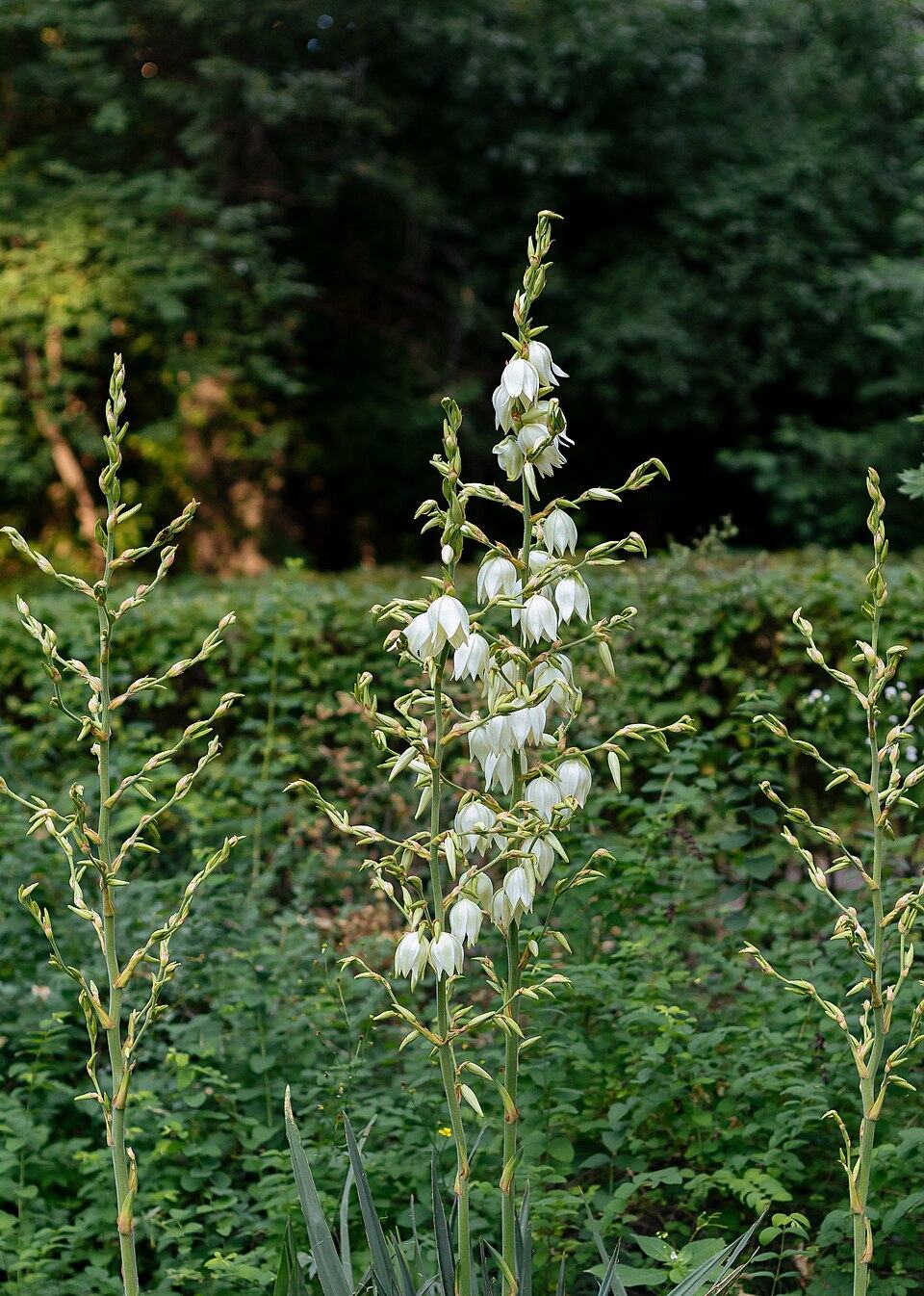 Adam's Needle YuccaYucca filamentosaZones 4–10 · Very low water
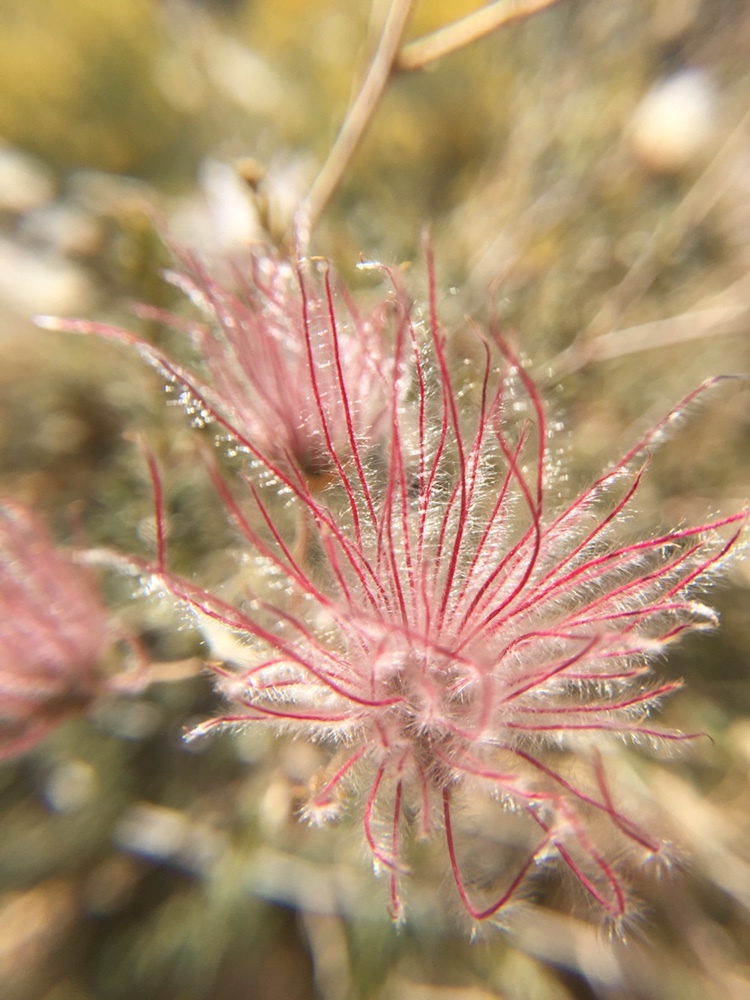 Apache PlumeFallugia paradoxaZones 4–8 · Very low water
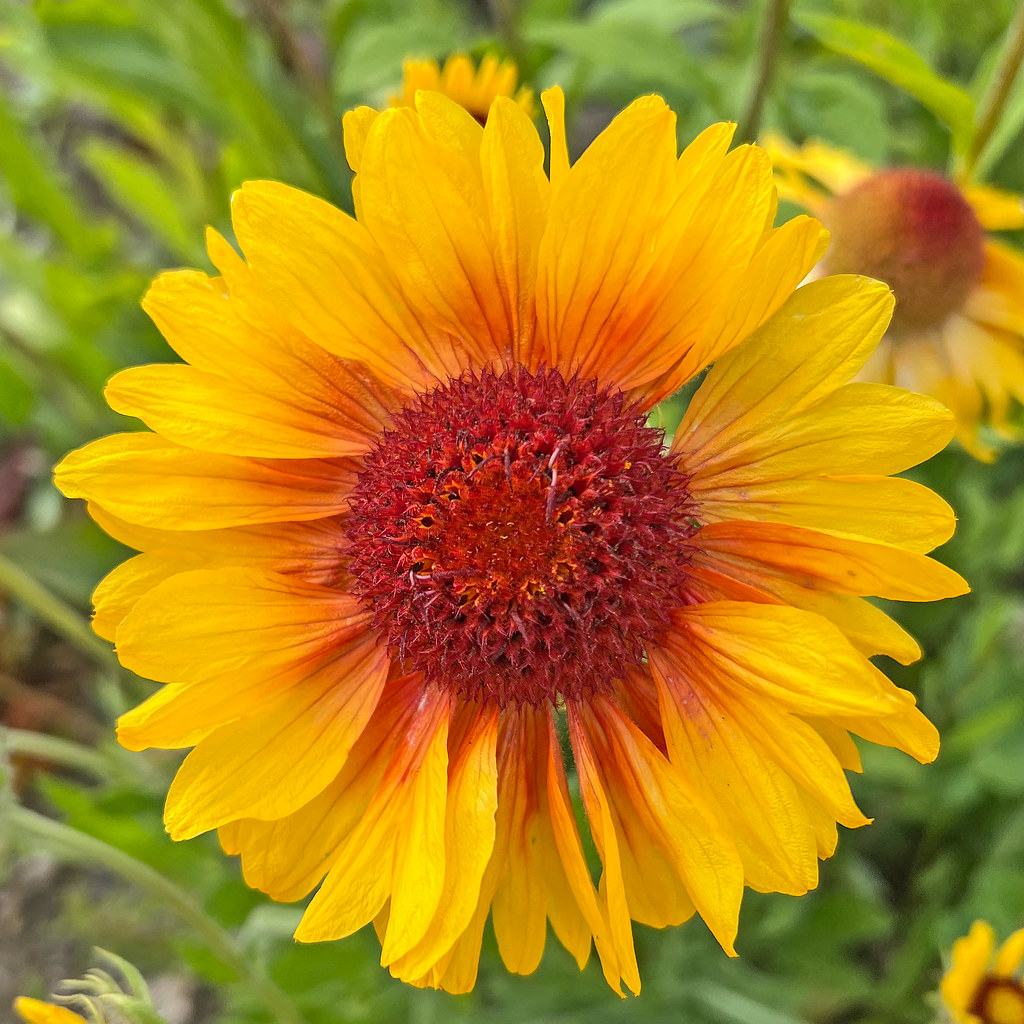 Blanket FlowerGaillardia aristataZones 3–8 · Very low water
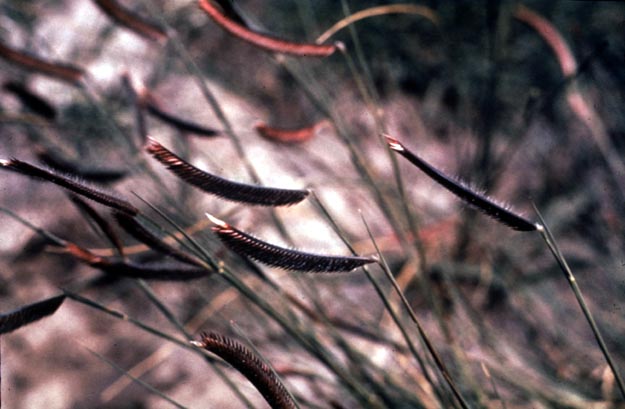 Blue GramaBouteloua gracilisZones 3–10 · Very low water
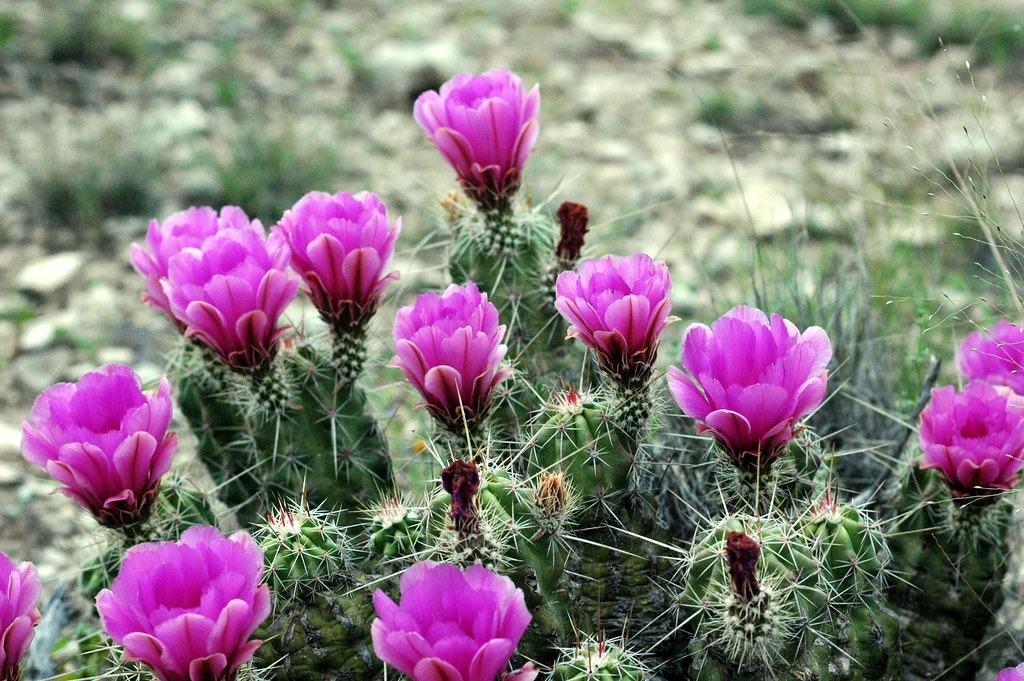 Claret Cup CactusEchinocereus triglochidiatusZones 5–9 · Very low water
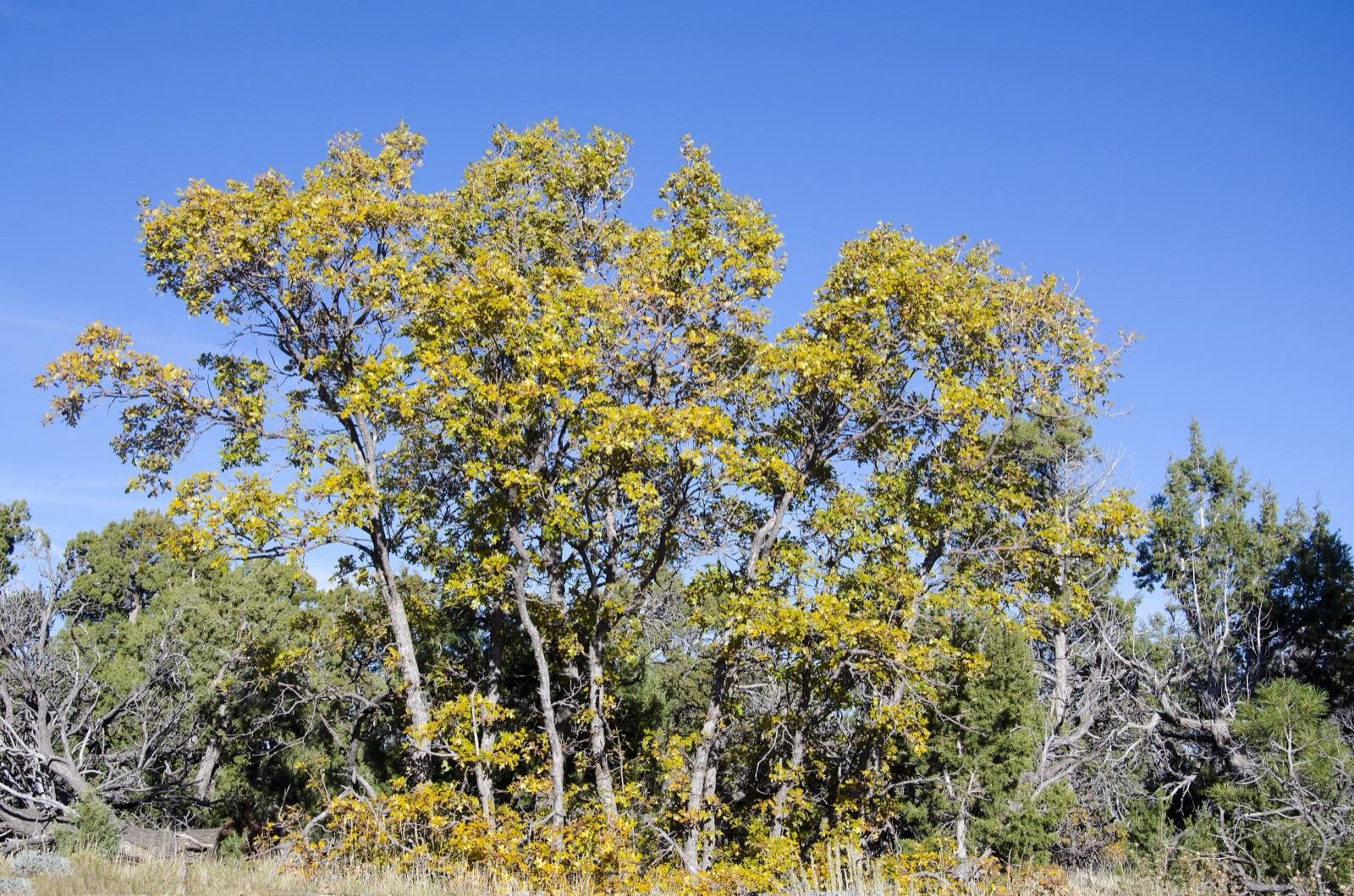 Gambel OakQuercus gambeliiZones 4–8 · Very low water
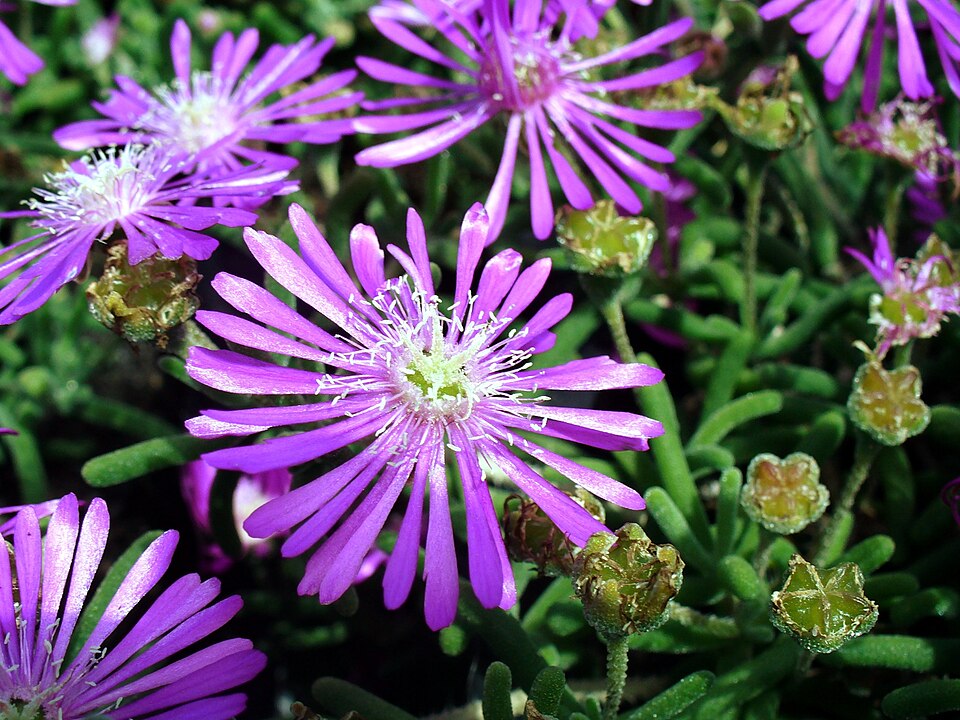 Hardy Ice PlantDelosperma cooperiZones 5–9 · Very low water
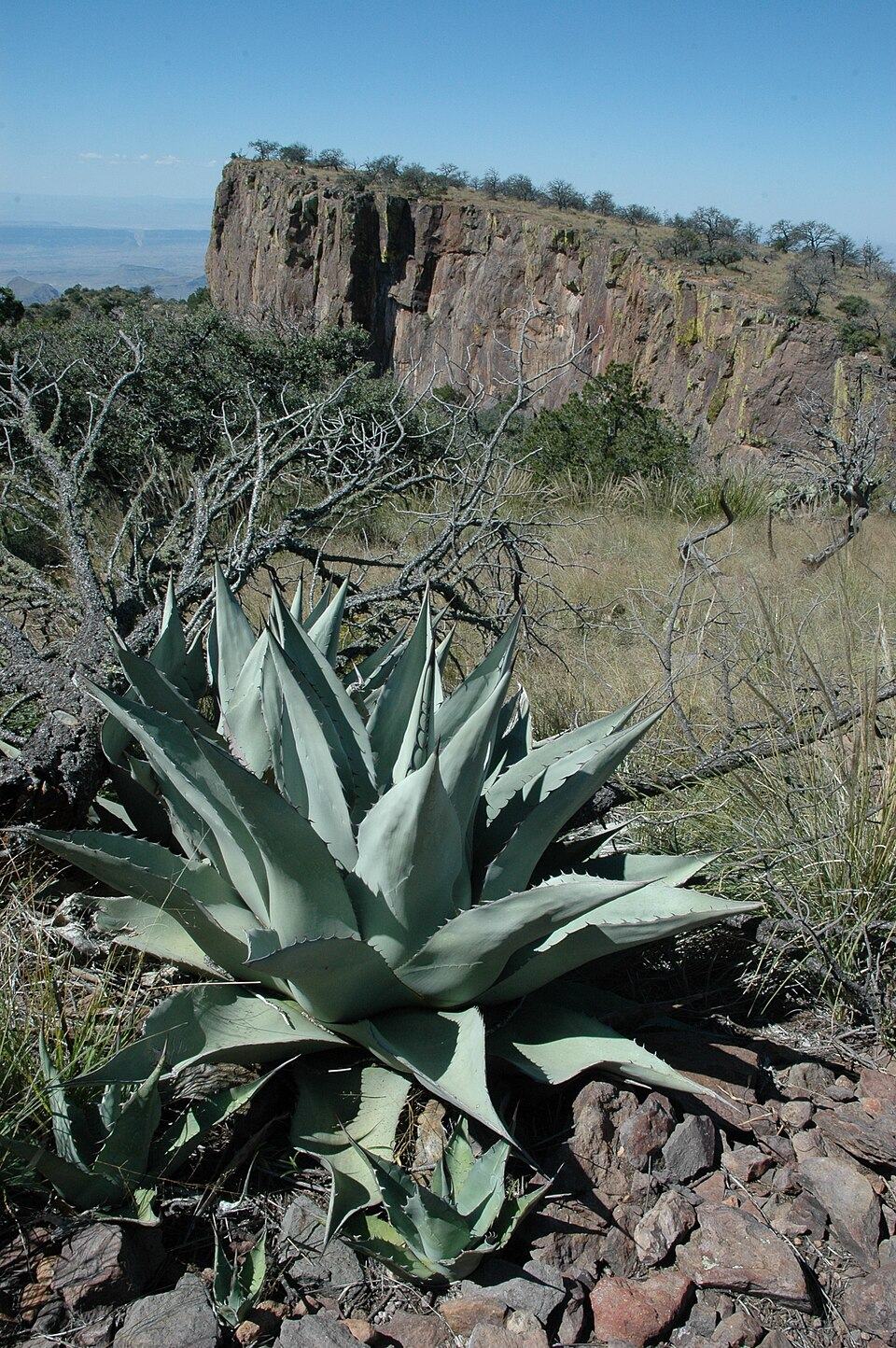 Havard AgaveAgave havardianaZones 5–9 · Very low water
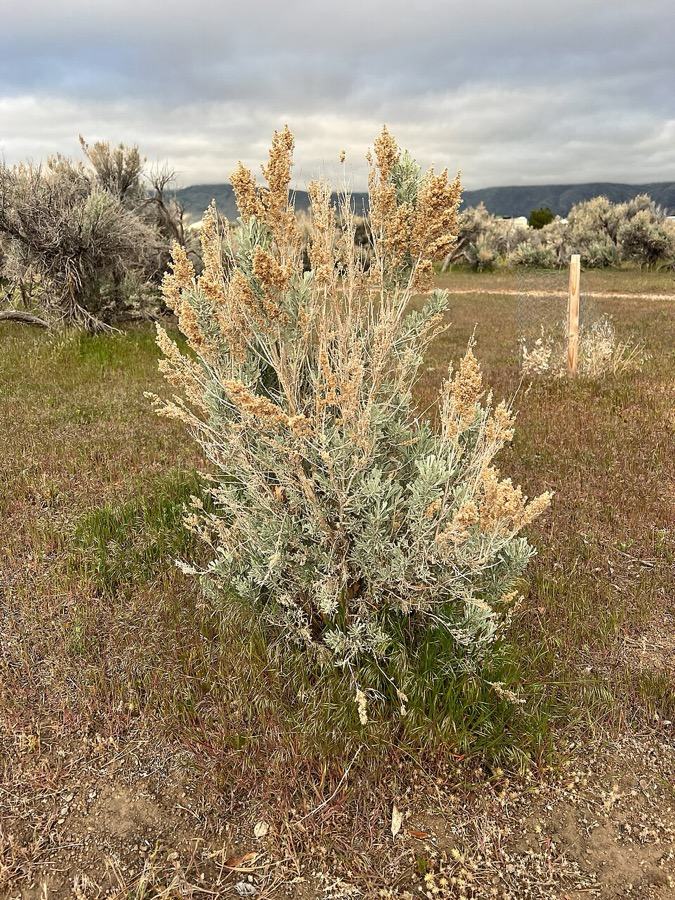 Big SagebrushArtemisia tridentataZones 4–9 · Very low water
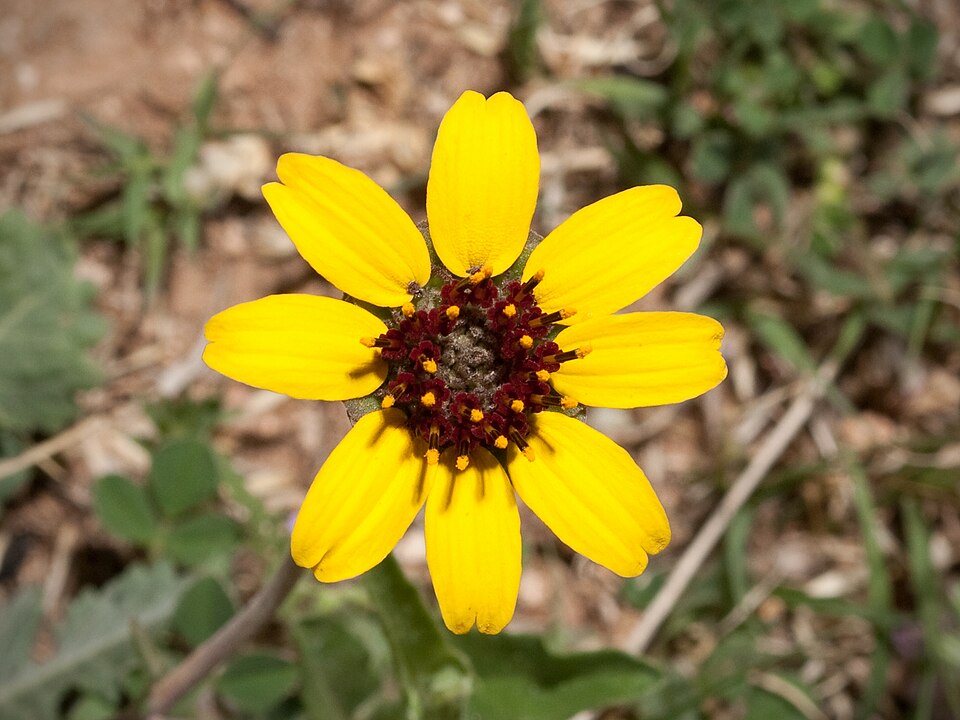 Chocolate FlowerBerlandiera lyrataZones 4–9 · Very low water
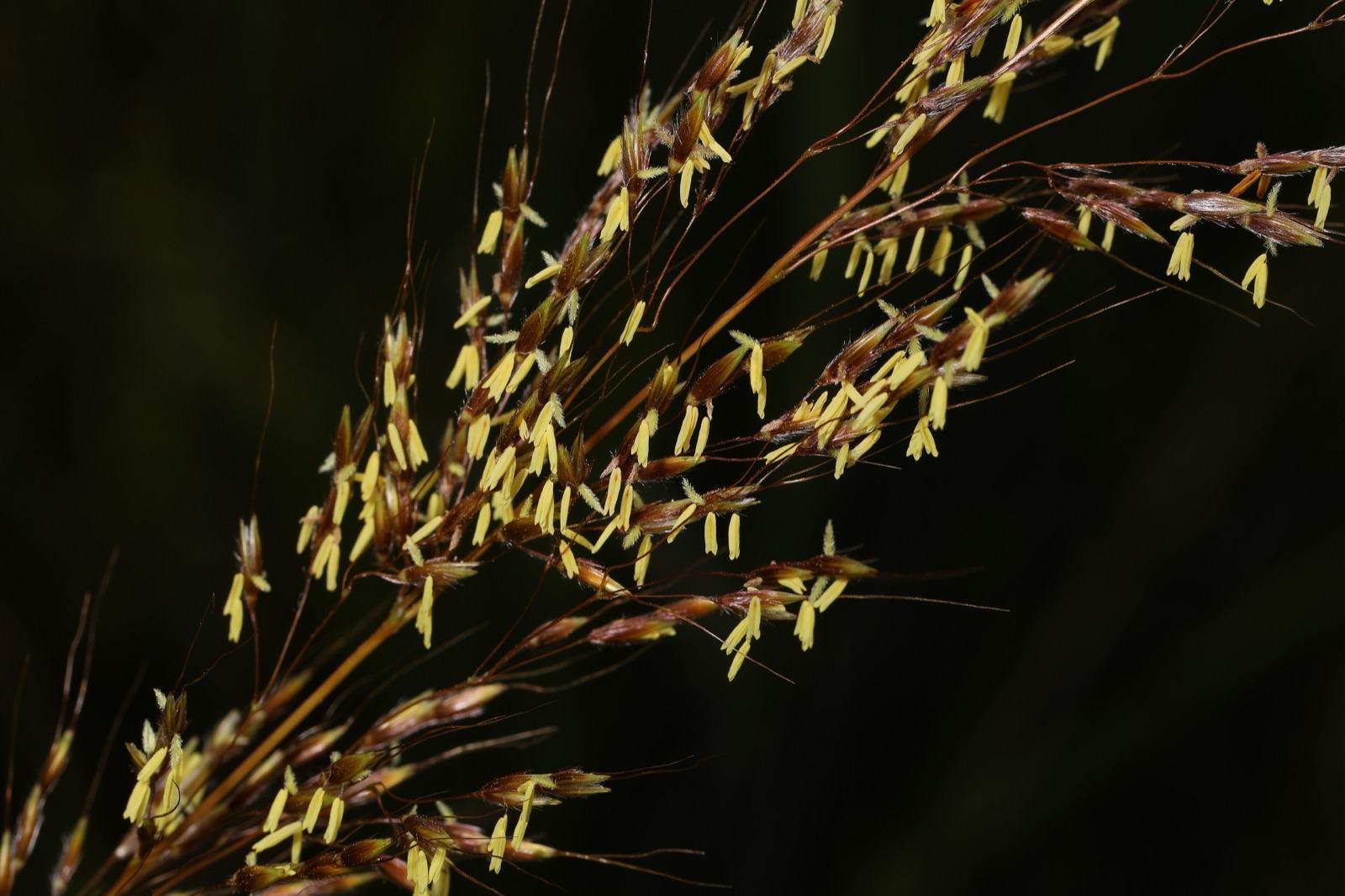 Little BluestemSchizachyrium scopariumZones 3–9 · Very low water
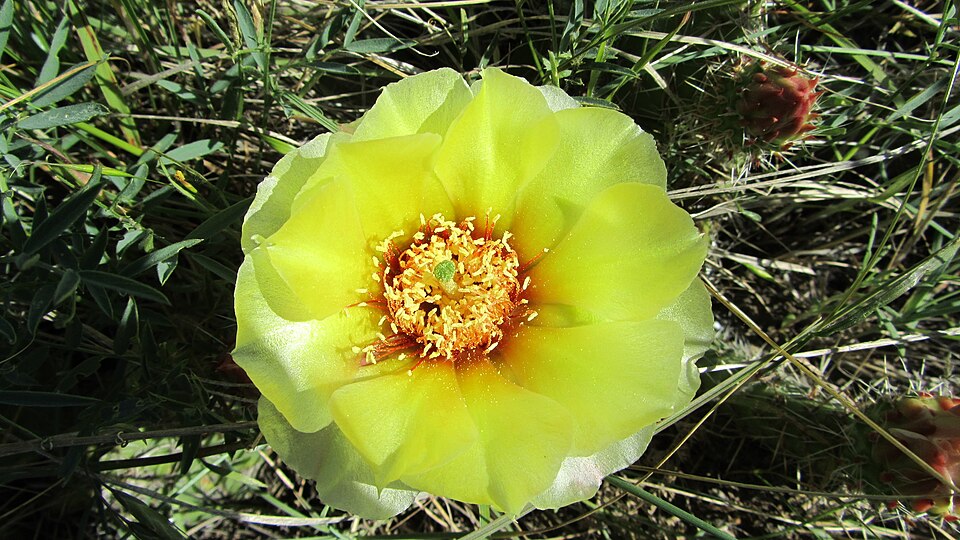 Plains Prickly PearOpuntia polyacanthaZones 4–9 · Very low water
Frequently asked questions
What planting zone is Salt Lake City?
Salt Lake City, UT is in USDA hardiness zone 6a–7b on the 2023 USDA Plant Hardiness Zone Map, based on the ZIP codes we sampled (84020: 7a, 84088: 7b, 84101: 7b, 84106: 7b, 84121: 6a). In 84101, the average coldest night of the year is 5 to 10°F.
When is the last frost in Salt Lake City?
The median last spring frost (32°F) at Salt Lake City Intl Airport is Apr 8 and the median first fall frost is Oct 31, a typical frost-free season of about 204 days.
How much rain does Salt Lake City get?
Average annual precipitation is 16 inches (Salt Lake City Intl Airport, 1991–2020), spread across the year with April the wettest month and July the driest.
Sources
- NOAA NCEI U.S. Climate Normals 1991–2020, Salt Lake City Intl Airport (USW00024127). ncei.noaa.gov
- USDA ARS 2023 Plant Hardiness Zone Map, by ZIP. planthardiness.ars.usda.gov