
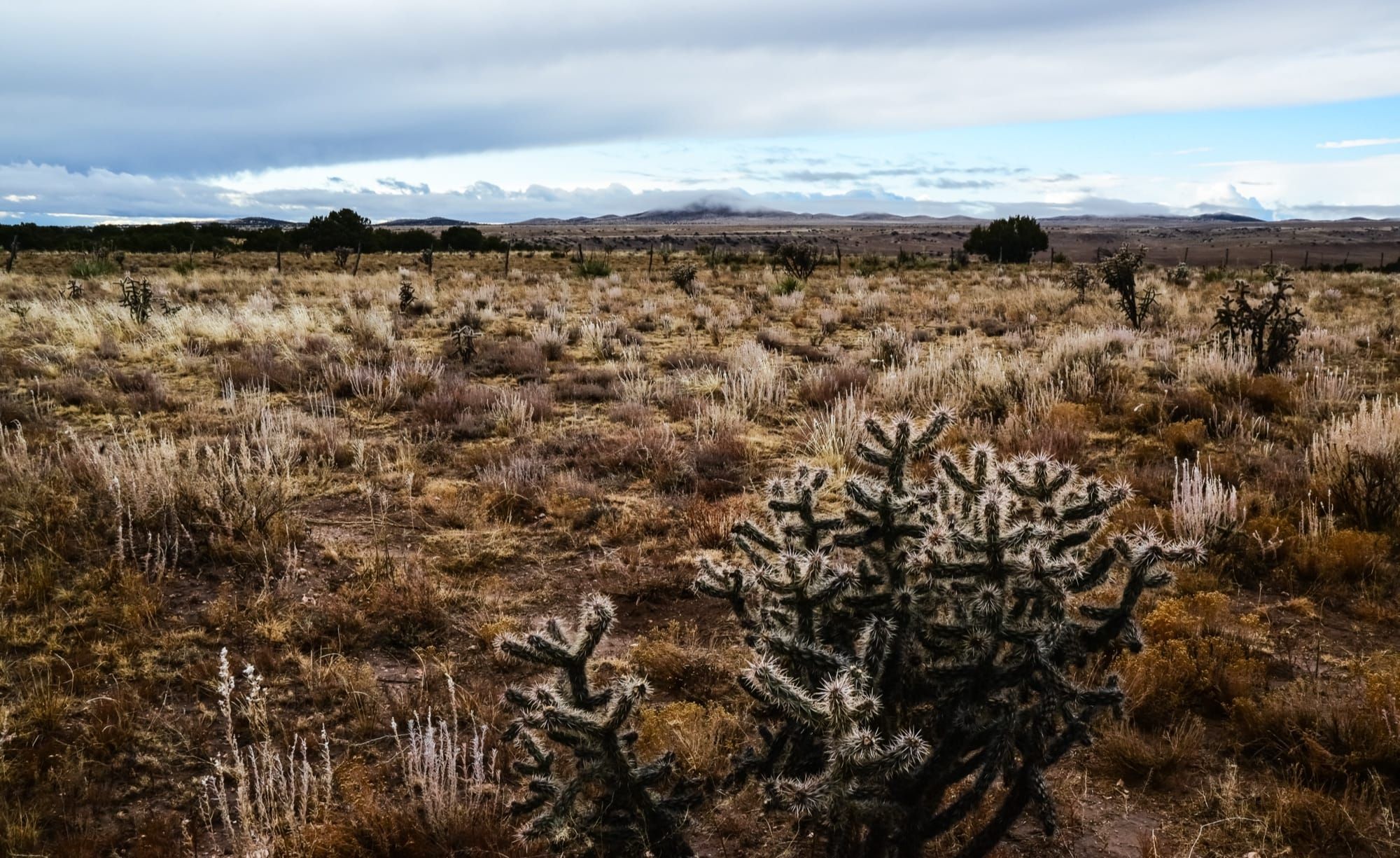
Albuquerque figured out xeriscaping before most of the West had heard the word. Facing about 9 inches of rain a year at a mile of altitude, the city started paying residents to convert lawns back in the 1990s — and cut per-capita water use by roughly a third in a generation. The result is a city with a mature, confident high-desert landscape style all its own: part Chihuahuan desert, part Rio Grande bosque, part adobe courtyard.
Albuquerque growing conditions
- Hardiness zone: 7a to 7b — hot, bright summers and real winters with nights in the teens. This is high desert: plants must take both directions.
- Elevation 5,000–6,500 feet from the valley to the Sandia foothills — intense UV, cool nights, low humidity.
- Alkaline, often sandy or gravelly soils; caliche layers show up on the mesa. Native plants approve; hydrangeas do not.
- Spring wind is the brutal season — new plantings need staking-free, deep-rooted establishment, and June is the driest, most stressful month before monsoons arrive.
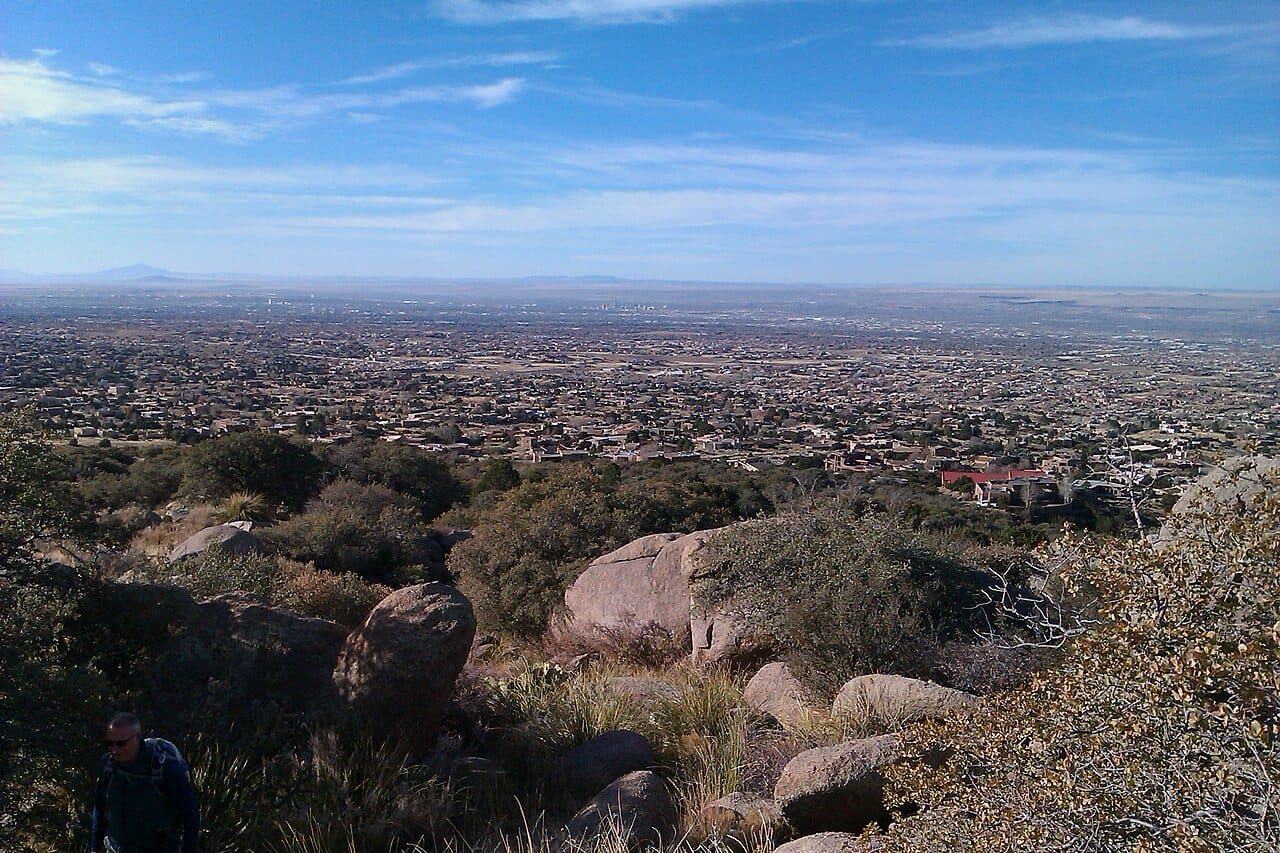
Rebates: the ABCWUA programs
The Albuquerque Bernalillo County Water Utility Authority (ABCWUA) runs one of the longest-standing conversion programs in the country:
- Turf-conversion rebates paid per square foot of lawn converted to approved xeriscape, plus incentives for rain barrels, smart controllers, and drip upgrades.
- Rates and rules change with funding cycles — confirm current amounts and requirements with ABCWUA (505water.com) before starting.
- Expect the standard pattern: pre-approval with photos of living turf, a plant list meeting minimum living coverage, and no gravel-only conversions (why gravel-only fails anyway).
The high-desert plant palette
Trees: desert willow (the city's signature summer bloomer), New Mexico olive, netleaf hackberry, honey mesquite in warm spots, and pinyon pine toward the foothills.
Shrubs: chamisa (rabbitbrush — gold in September), Apache plume, three-leaf sumac, fernbush, big sagebrush, and winterfat for silver winter texture.
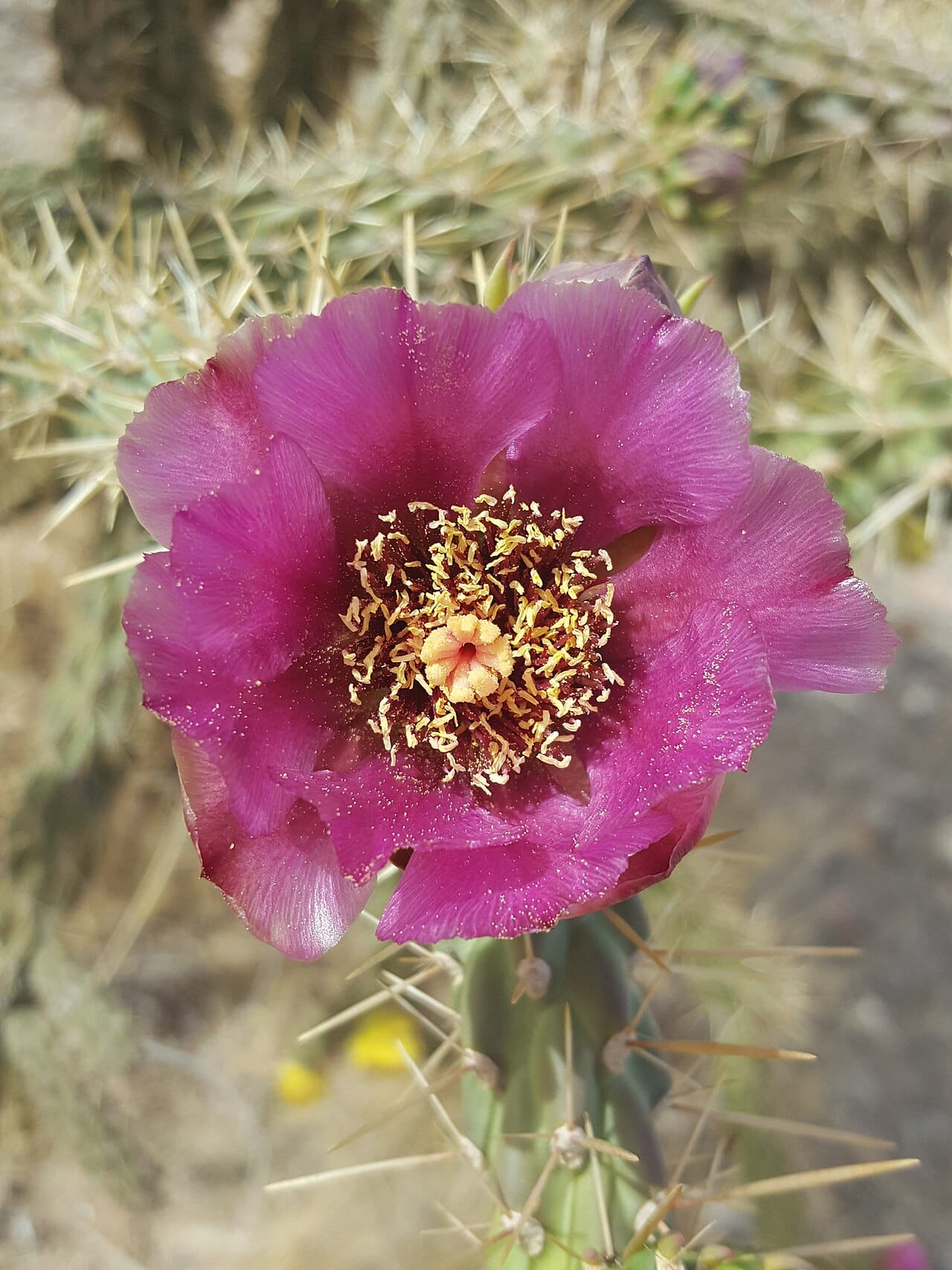
Structure: cholla and prickly pear (magenta blooms, wildlife value), red yucca, banana yucca, soaptree yucca, and Parry's agave.
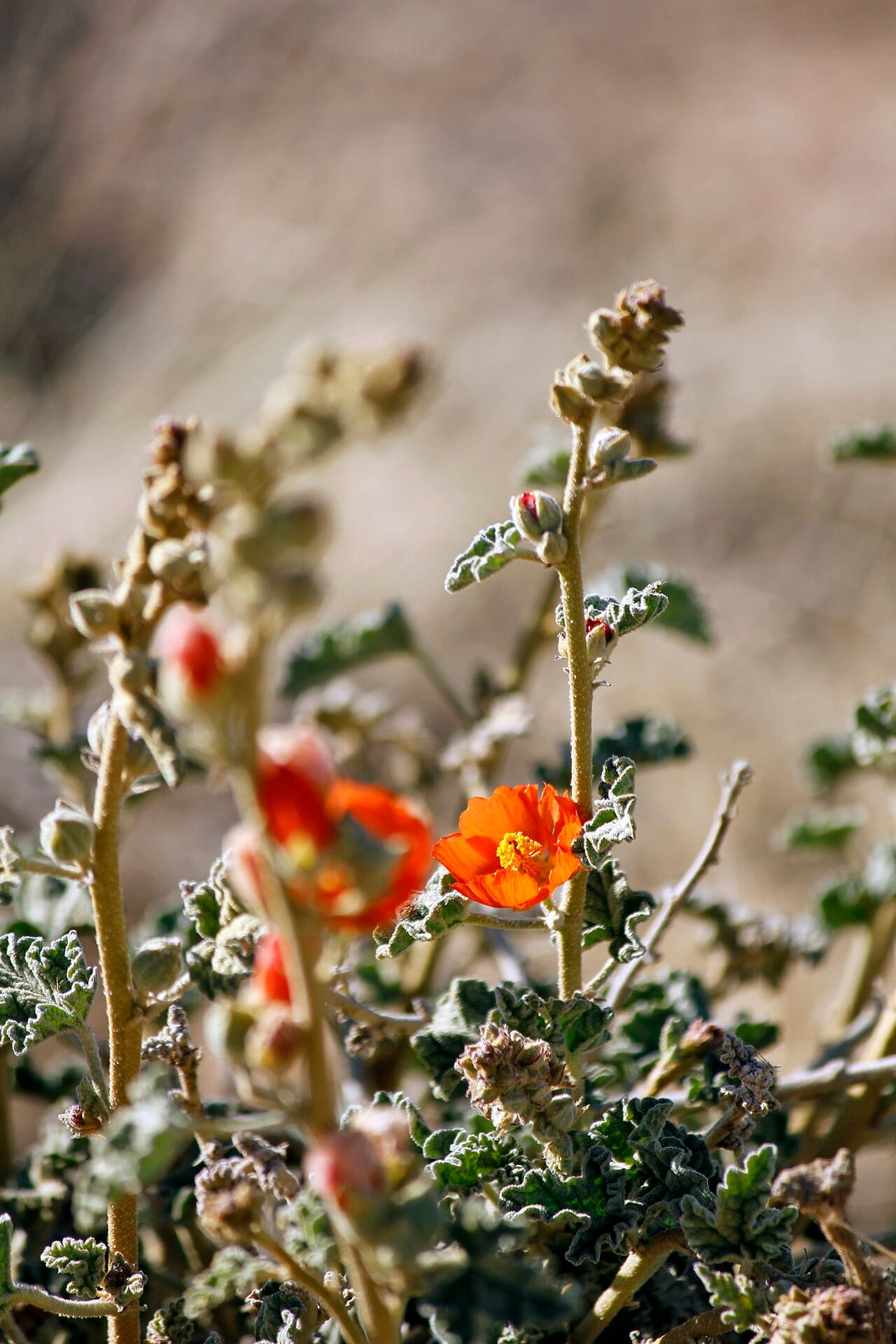
Color: globe mallow, blackfoot daisy, chocolate flower (morning cocoa scent — a New Mexico native), pineleaf and Rocky Mountain penstemon, desert marigold, and salvias for hummingbirds.
Grasses: blue grama (New Mexico's shortgrass backbone), sand lovegrass, and little bluestem (how to design with them).
Design notes: the Rio Grande style
- Crusher fines, not river rock. Albuquerque's signature groundplane is buff or rose crusher fines that echo the Sandias' granite — walkable, cool-toned, and weed-resistant.
- Work with walls. Adobe and stucco courtyard walls create shaded, wind-protected microclimates that expand your plant options — and frame silhouettes of yucca and desert willow like gallery pieces.
- Capture the monsoon. Basins, swales, and dry creek beds that harvest July cloudbursts can passively water trees all season — high-desert xeriscaping's best trick.
- Contrast is the aesthetic: silver winterfat against dark cholla, gold chamisa against blue grama. More regional inspiration in our desert landscaping ideas.
Getting started
- Check ABCWUA's current rebate offerings and get pre-approved with photos of living lawn.
- Design to the required plant coverage — it makes a better landscape anyway.
- Follow the 10 Steps to Xeriscaping: remove turf, shape basins for rainwater, install drip, plant in fall or early spring before the winds.
- Establish through one summer; monsoon-adapted natives largely take over from there.
Albuquerque proved thirty years ago that a high-desert city can grow without draining its aquifer. A yard of desert willow, chamisa, and blue grama under the Sandias is the local tradition now — the lawn was the experiment.