Step-A-Head Landscaping
ListedSt. George, UT
Combines landscape design with xeriscaping principles using drought-tolerant plants, decorative rock, and low-water irrigation.

Find a Pro · St. George, UT
2 companies in the St. George area advertise xeriscape, native-plant, or water-wise landscaping. Before you call one, here is what the local climate asks of a low-water yard, which rebates are open, and the questions that separate a real xeriscape contractor from a rock-and-weed-fabric crew.
Mojave Desert edge at about 2,900 ft: just over 9 in. of precipitation, July highs near 102°F, and a frost-free season of about 239 days. Freezes still happen every winter (median last freeze mid-March), so frost-tender desert plants need siting care.
On the 2023 USDA Plant Hardiness Zone Map, the ZIP codes we sampled in St. George fall in zone 8b; 84770 (zone 8b) has an average annual extreme minimum of 15 to 20°F. Choose perennials, shrubs, and trees rated at least to zone 8. The median last spring frost (32°F) at St. George is Mar 14 and the median first fall frost is Nov 10, a typical frost-free season of about 239 days.
Average annual precipitation is 9.3 inches (St. George, 1991–2020), and 55% of it falls November–March. Summers are dry (June is the driest month), so plants lean on stored soil moisture and supplemental water through their first summer. The average high in July is about 102°F and the average low in December is about 28°F, measured at about 2,860 ft.
Sorted by tier, then alphabetically. Tiers explained below the list.
Combines landscape design with xeriscaping principles using drought-tolerant plants, decorative rock, and low-water irrigation.
Xeriscaping designs using drought-tolerant plants and efficient sprinklers for minimal water use in the desert climate.
A public listing we compiled from the company's own website because it advertises xeriscape or water-wise work. Listed is not an endorsement and we have not reviewed the company's work.
The business owner has claimed the profile and manages its details, photos, and service areas.
The company completed the Xeriscaping.com certification course and agreed to our Code of Conduct.
Landscape Incentive Program (Utah Water Savers (Utah Division of Water Resources and partner water conservancy districts)) requires approval before any grass is removed. A contractor who starts early can cost you Up to $3 per sq ft (varies by district/city). Ask them to build the approval date into the schedule.
Every plant should be rated to at least zone 8 here. Ask for botanical names, mature size, and water use, and for plant coverage at maturity. Many rebates require 50% or more.
Spray heads in a xeriscape waste water and feed weeds. Ask whether planted areas get drip on a separate zone with a filter and pressure regulator, how unused spray heads will be capped, and whether the controller will be reprogrammed or replaced with a smart controller.
Ask whether they will cut and haul the sod, smother it, or use herbicide, and what they will add to the soil. Many xeric plants prefer lean soil, so heavy compost everywhere can backfire. Loosening compacted ground after sod removal matters more.
Rock and wood mulch both work, but depth matters: rebate rules in the West commonly call for about 3 inches. Several programs prohibit plastic sheeting, and it starves soil of air and water anyway.
New xeriscapes are not no-water in year one. Ask for a written establishment schedule by season. Plant container perennials and shrubs after the median last frost (Mar 14), or in early fall at least six weeks before the median first frost (Nov 10) so roots can settle in before the ground freezes.
Get the length (often one season or one year) and the conditions in writing, including whether it covers winter kill and what watering records you need to keep.
Ask for a license or registration number and look it up with the Utah Division of Professional Licensing (DOPL) before signing, and ask for a current certificate of insurance. Utah Division of Professional Licensing (DOPL) lookup.
Get pre-approval before you remove any grass. Almost every lawn-replacement program requires photos or an inspection of the living lawn first.
| Program | Amount | Status |
|---|---|---|
| Landscape Incentive Program Utah Water Savers (Utah Division of Water Resources and partner water conservancy districts) | Up to $3 per sq ft (varies by district/city) Cap: Varies by district | Open |
| Water Efficient Landscape Program Washington County Water Conservancy District | $2 per sq ft, plus $1 per sq ft supplemental for the first 1,000 sq ft on projects completed June 9, 2026–June 1, 2027 (Santa Clara: $1 per sq ft supplemental for the first 500 sq ft), plus $100 per qualifying shade tree Cap: $100,000 per property, per calendar year | Open The extra $1/sq ft applies to projects completed June 9, 2026 – June 1, 2027. |
Verified Sep 2026 from each agency's program page.
From our plant database: hardy to zone 8 and at home in zone 8, driest first. Ask your contractor whether these are in their plan.
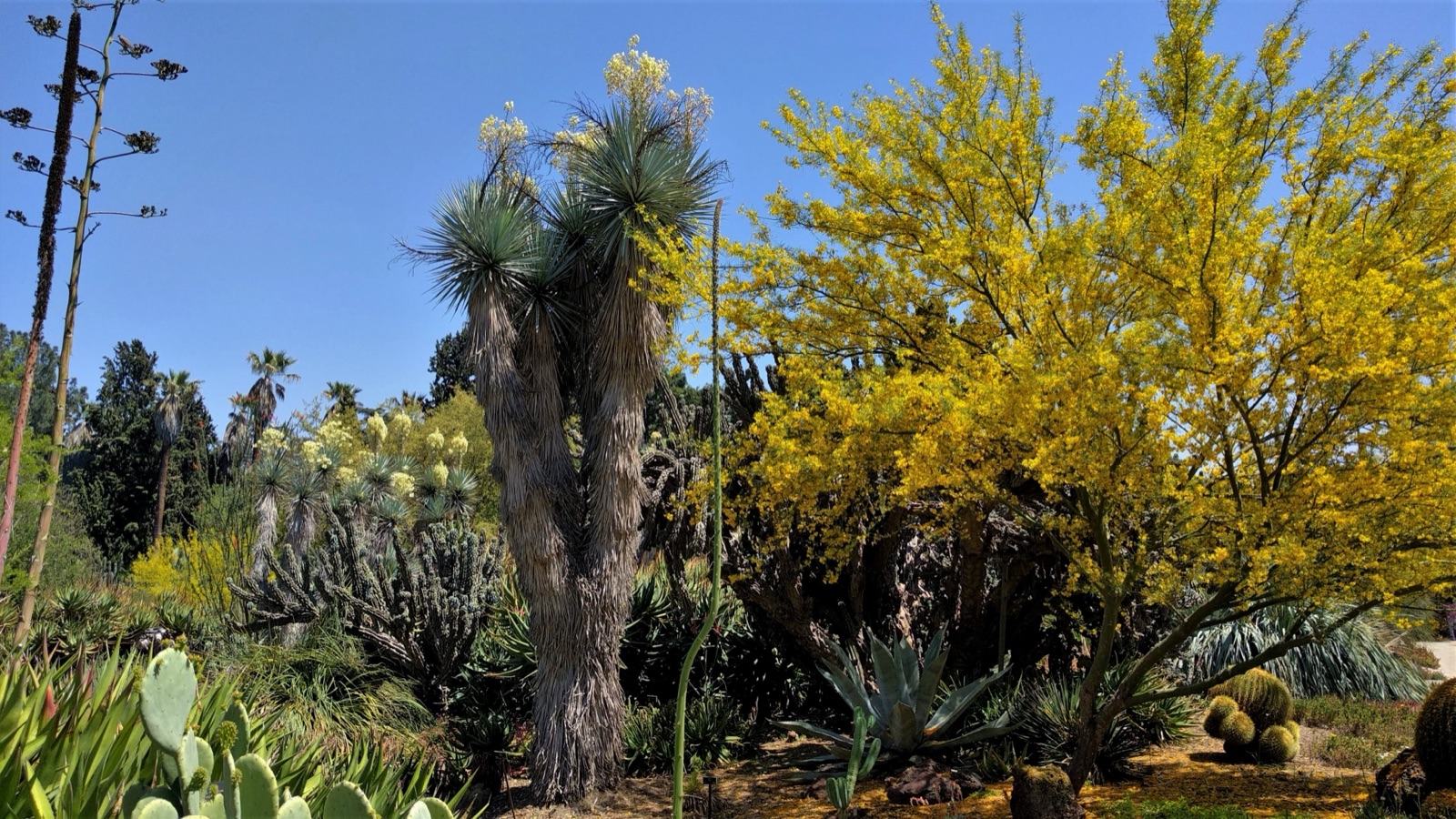 'Desert Museum' Palo VerdeParkinsonia 'Desert Museum'Zones 8–11 · Very low water
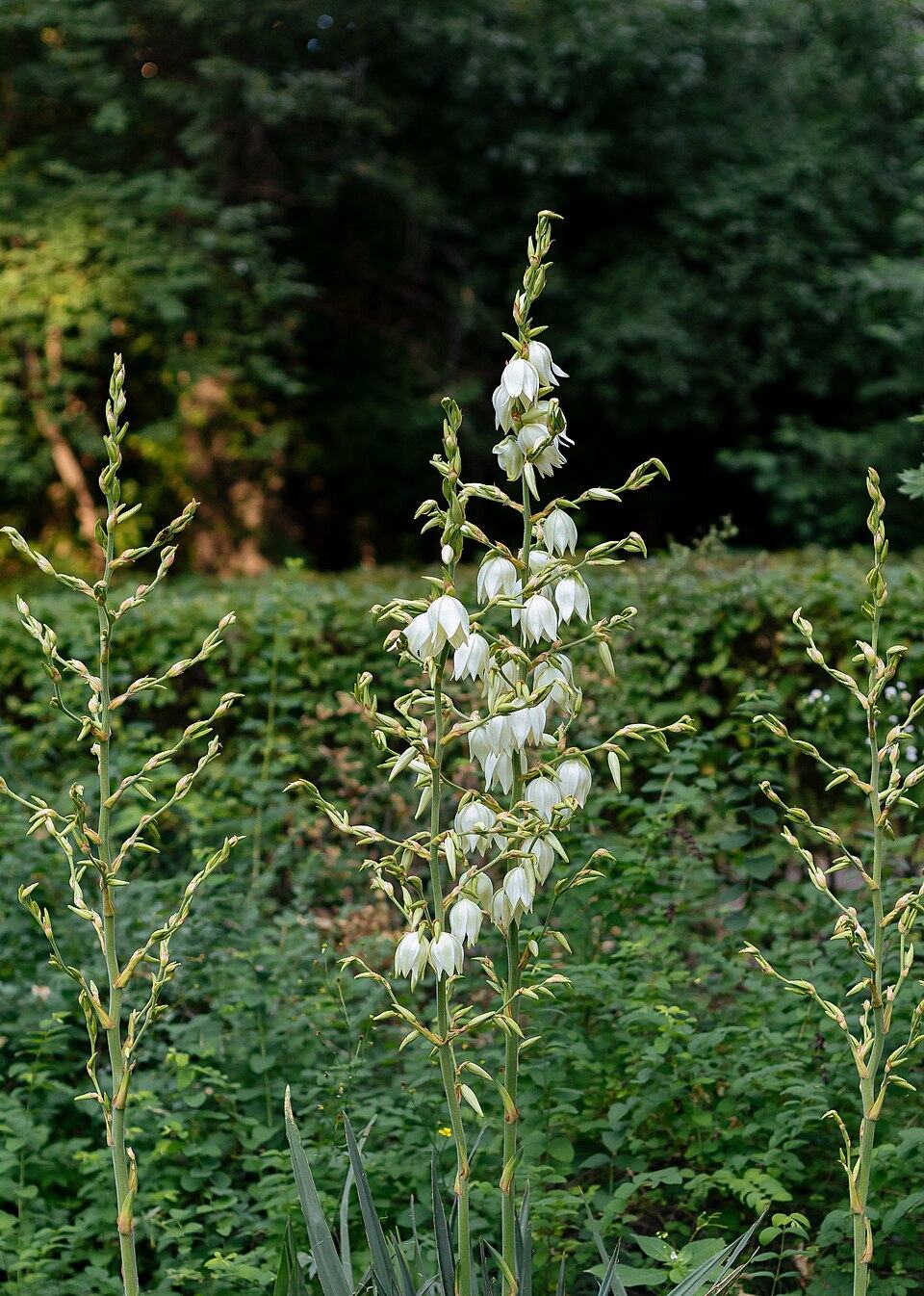 Adam's Needle YuccaYucca filamentosaZones 4–10 · Very low water
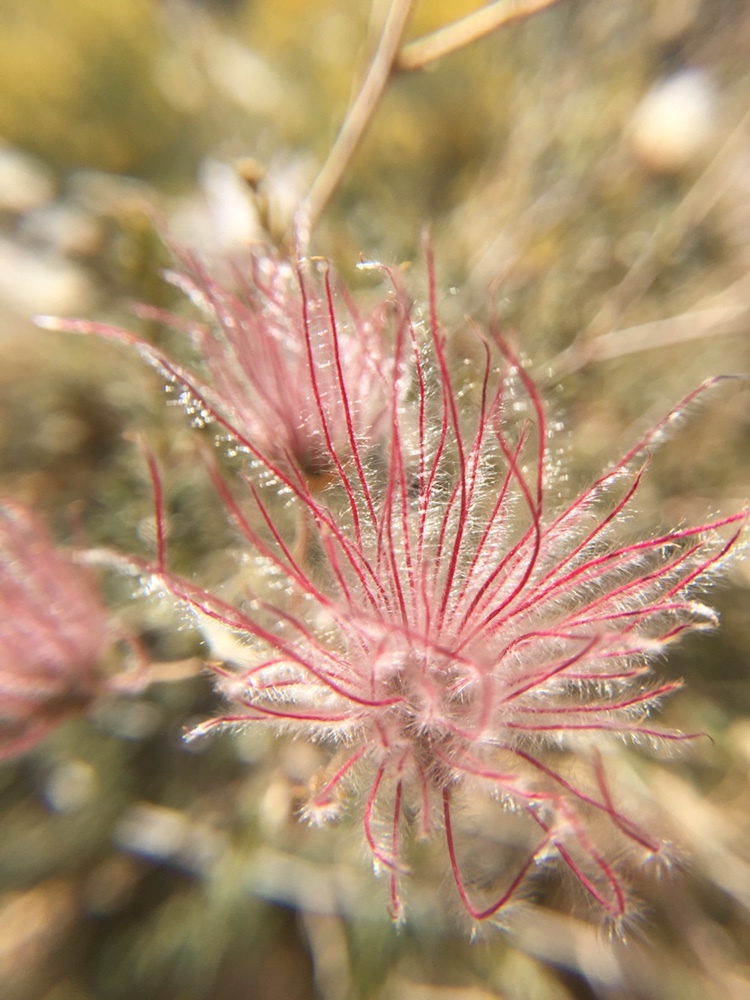 Apache PlumeFallugia paradoxaZones 4–8 · Very low water
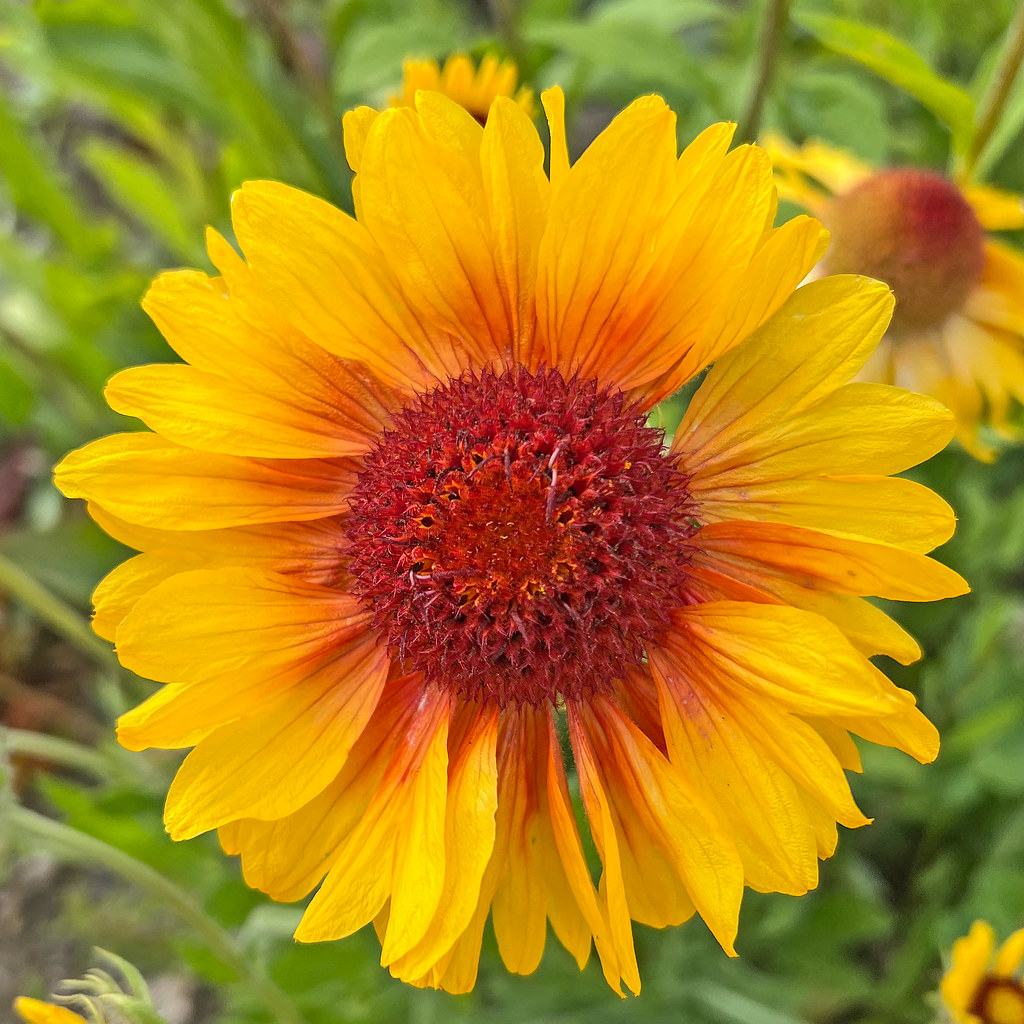 Blanket FlowerGaillardia aristataZones 3–8 · Very low water
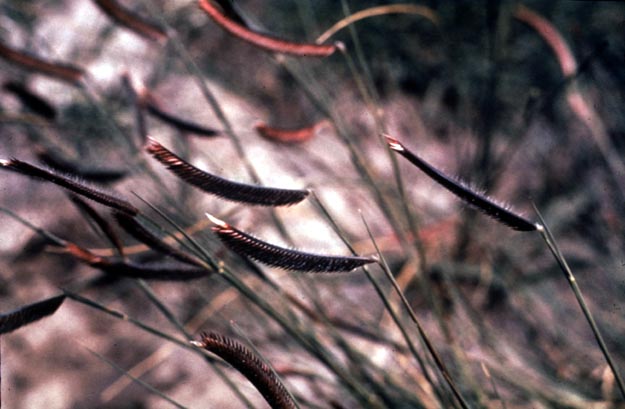 Blue GramaBouteloua gracilisZones 3–10 · Very low water
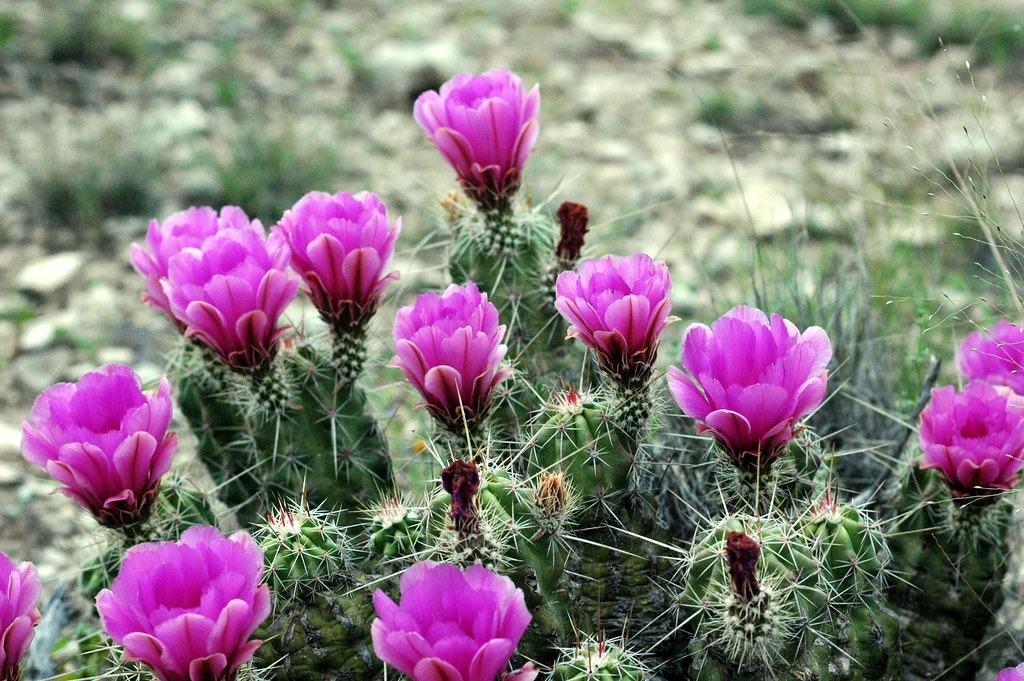 Claret Cup CactusEchinocereus triglochidiatusZones 5–9 · Very low water
Already listed? Claim your listing.