Evergreen Design Group
ListedPhoenix, AZ
Landscape architects producing permit-ready planting plans specifying drought-tolerant, heat-resistant native and adapted Sonoran species.

Find a Pro · Phoenix, AZ
5 companies in the Phoenix area advertise xeriscape, native-plant, or water-wise landscaping. Before you call one, here is what the local climate asks of a low-water yard, which rebates are open, and the questions that separate a real xeriscape contractor from a rock-and-weed-fabric crew.
Low Sonoran Desert valley at about 1,100 ft: about 7.2 in. of precipitation split between winter storms and the summer monsoon, and average July highs above 106°F. At Sky Harbor a 32°F freeze occurs in fewer than one year in five, but outlying stations such as Scottsdale and Chandler Heights freeze far more often.
On the 2023 USDA Plant Hardiness Zone Map, the ZIP codes we sampled in Phoenix fall in zones 9b to 10a; 85004 (zone 10a) has an average annual extreme minimum of 30 to 35°F. Choose perennials, shrubs, and trees rated at least to zone 9. A 32°F freeze occurs in only about 18% of years at Phoenix Sky Harbor Intl Airport, so median frost dates aren't meaningful. Frost-tender plants still need protection on the rare cold night.
Average annual precipitation is 7.2 inches (Phoenix Sky Harbor Intl Airport, 1991–2020), spread across the year with August the wettest month and June the driest. The average high in July is about 107°F and the average low in December is about 45°F, measured at about 1,110 ft.
Sorted by tier, then alphabetically. Tiers explained below the list.
Landscape architects producing permit-ready planting plans specifying drought-tolerant, heat-resistant native and adapted Sonoran species.
Desert landscaping design/install using native Arizona plants and drought-tolerant species, specializing in xeriscaping.
Specializes in xeriscaping combining desert-friendly plantings, efficient irrigation, and smart layout design.
Builds landscapes using 60-75% less water via drought-tolerant plants, decomposed granite, and artistic boulder placement.
Professional xeriscaping specializing in native and desert-adapted plants like agave, succulents, and low-water shrubs.
A public listing we compiled from the company's own website because it advertises xeriscape or water-wise work. Listed is not an endorsement and we have not reviewed the company's work.
The business owner has claimed the profile and manages its details, photos, and service areas.
The company completed the Xeriscaping.com certification course and agreed to our Code of Conduct.
Grass to Xeriscape Rebate (Single Family Grass Removal Rebate Program) (City of Chandler Public Works & Utilities - Water Conservation) requires approval before any grass is removed. A contractor who starts early can cost you $1.50 per sq ft of grass converted to xeriscape. Ask them to build the approval date into the schedule.
Every plant should be rated to at least zone 9 here. Ask for botanical names, mature size, and water use, and for plant coverage at maturity. Many rebates require 50% or more.
Spray heads in a xeriscape waste water and feed weeds. Ask whether planted areas get drip on a separate zone with a filter and pressure regulator, how unused spray heads will be capped, and whether the controller will be reprogrammed or replaced with a smart controller.
Ask whether they will cut and haul the sod, smother it, or use herbicide, and what they will add to the soil. Many xeric plants prefer lean soil, so heavy compost everywhere can backfire. Loosening compacted ground after sod removal matters more.
Rock and wood mulch both work, but depth matters: rebate rules in the West commonly call for about 3 inches. Several programs prohibit plastic sheeting, and it starves soil of air and water anyway.
New xeriscapes are not no-water in year one. Ask for a written establishment schedule by season. In the low desert, fall is the preferred planting season: roots grow through the mild winter before the first summer heat. Avoid planting in midsummer.
Get the length (often one season or one year) and the conditions in writing, including whether it covers winter kill and what watering records you need to keep.
Ask for a license or registration number and look it up with the Arizona Registrar of Contractors before signing, and ask for a current certificate of insurance. Arizona Registrar of Contractors lookup.
Get pre-approval before you remove any grass. Almost every lawn-replacement program requires photos or an inspection of the living lawn first.
| Program | Amount | Status |
|---|---|---|
| Grass to Xeriscape Rebate (Single Family Grass Removal Rebate Program) City of Chandler Public Works & Utilities - Water Conservation | $1.50 per sq ft of grass converted to xeriscape Cap: $2,000 per property | Open Rate reduced Jan 1, 2026 (was $2.00/sq ft, $3,000 max). |
| Landscape Conversion Rebate (Existing Home Grass to Xeriscape) City of Glendale Water Services - Conservation and Sustainable Living | $1.00 per sq ft for xeriscape; $0.25 per sq ft for artificial grass (existing homes) Cap: $3,000 for xeriscape; $250 for artificial grass | Open Apply after the conversion is complete (within 24 months). |
| Residential Grass-to-Xeriscape and Tree Bonus Incentive Program City of Mesa Water Resources | Tiered: $1,000 (500-999 sq ft), $1,500 (1,000-1,499 sq ft), $2,000 (1,500+ sq ft); tree bonus +$50 per qualifying tree (max 2 trees) Cap: $2,100 | Open Funding is limited and first-come, first-served. |
| Residential Grass Removal Incentive Program City of Phoenix Water Services | $2 per square foot of grass removed | Open |
| Single-family Residential Grass Removal Rebate Scottsdale Water (City of Scottsdale) | $2 per sq ft of grass removed Cap: $5,000 | Open 2026–27 window: July 8 – Oct 31, 2026, per the current application form (a banner on the web page is out of date). |
Verified Sep 2026 from each agency's program page.
From our plant database: hardy to zone 9 and at home in zone 9, driest first. Ask your contractor whether these are in their plan.
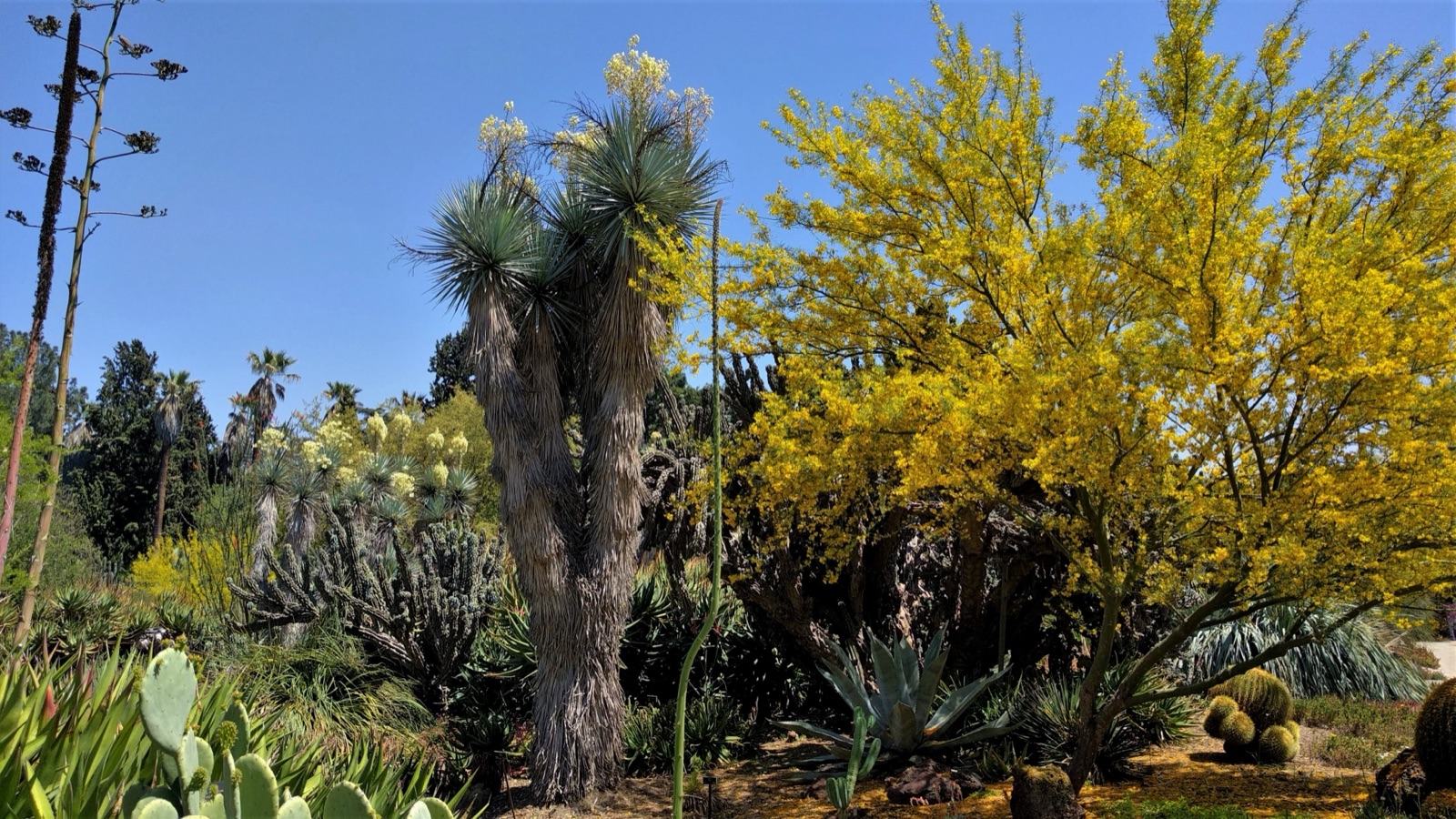 'Desert Museum' Palo VerdeParkinsonia 'Desert Museum'Zones 8–11 · Very low water
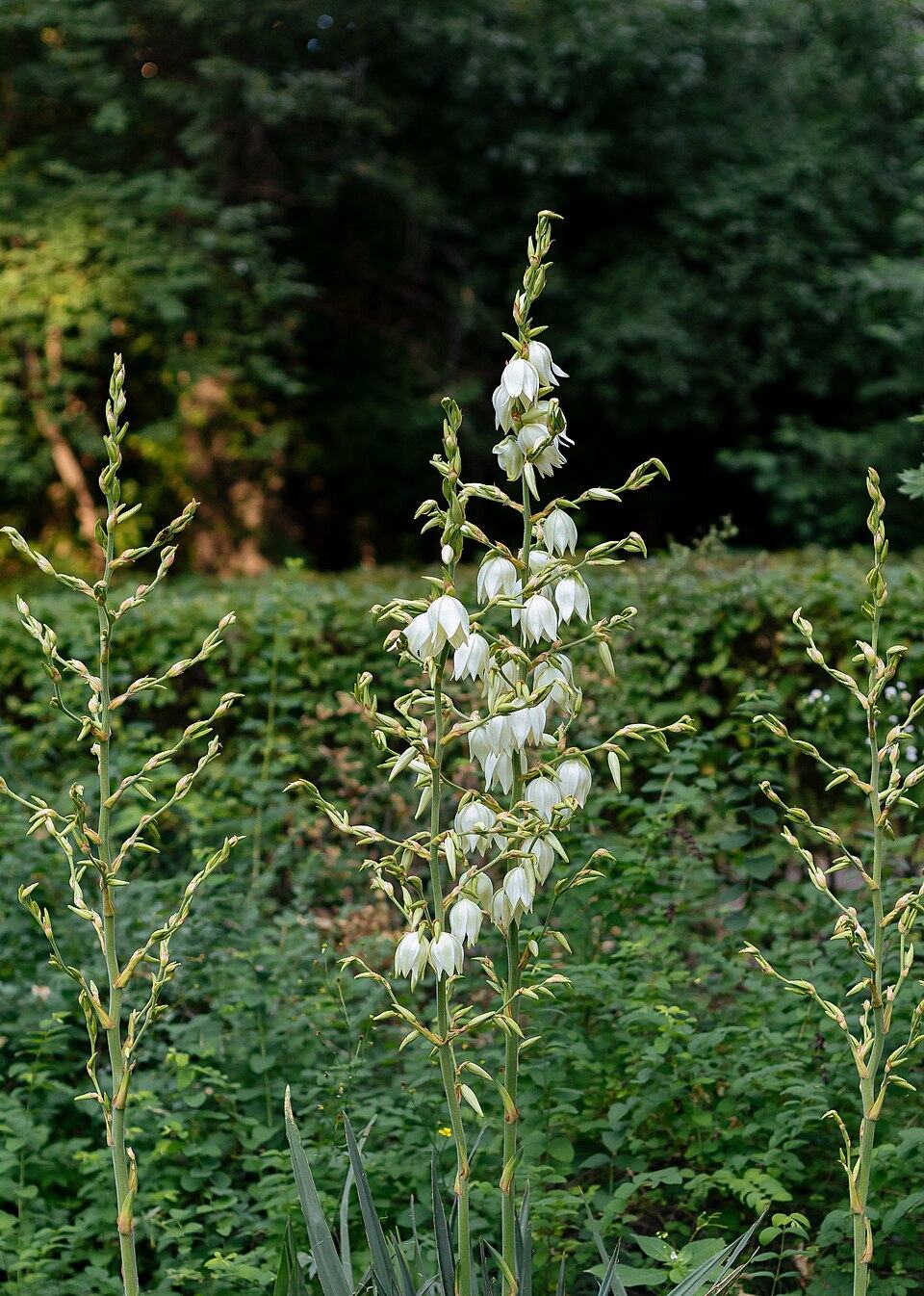 Adam's Needle YuccaYucca filamentosaZones 4–10 · Very low water
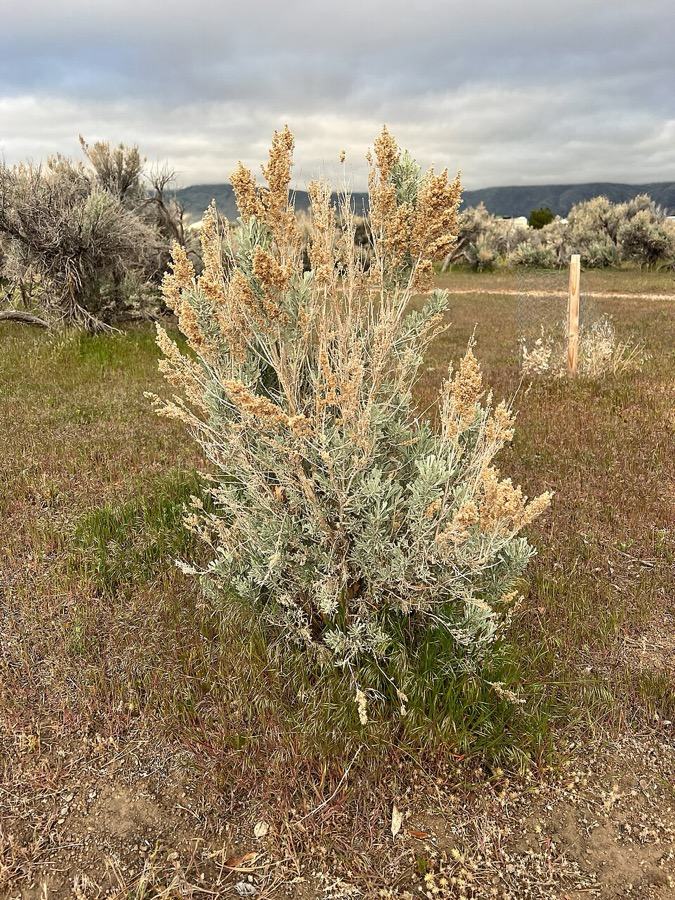 Big SagebrushArtemisia tridentataZones 4–9 · Very low water
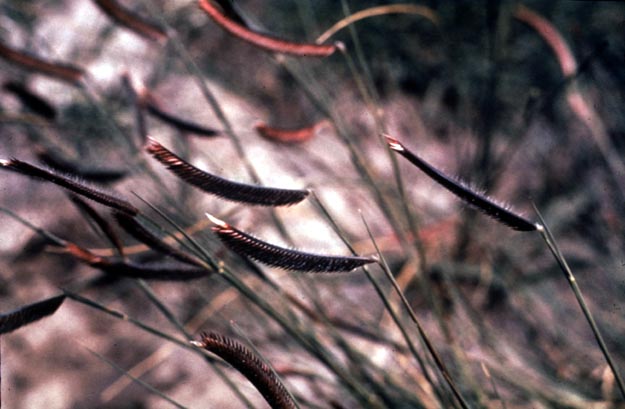 Blue GramaBouteloua gracilisZones 3–10 · Very low water
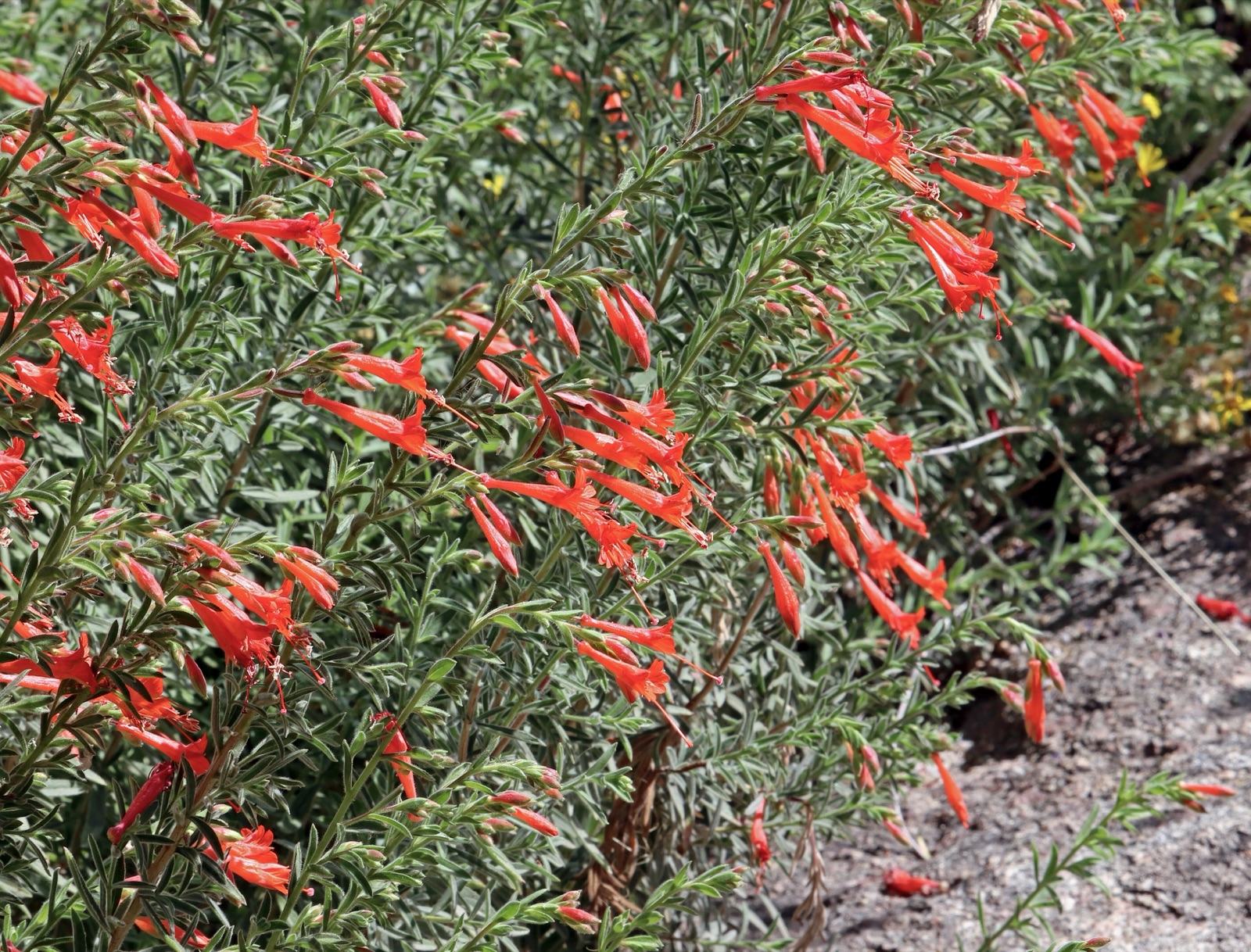 California FuchsiaEpilobium canum (syn. Zauschneria californica)Zones 8–10 · Very low water
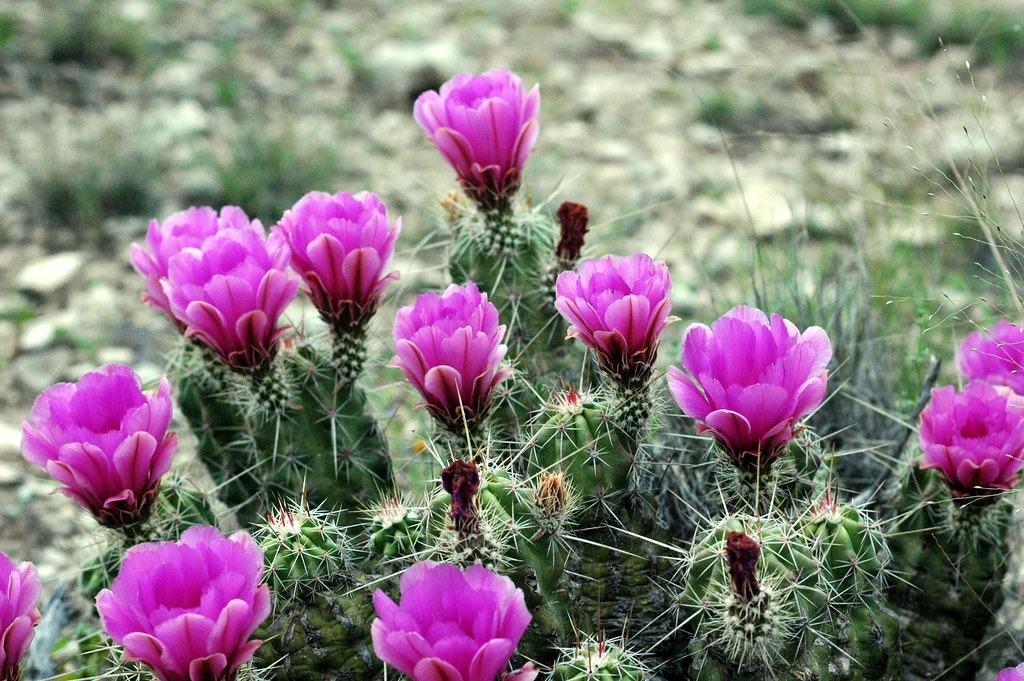 Claret Cup CactusEchinocereus triglochidiatusZones 5–9 · Very low water
Already listed? Claim your listing.